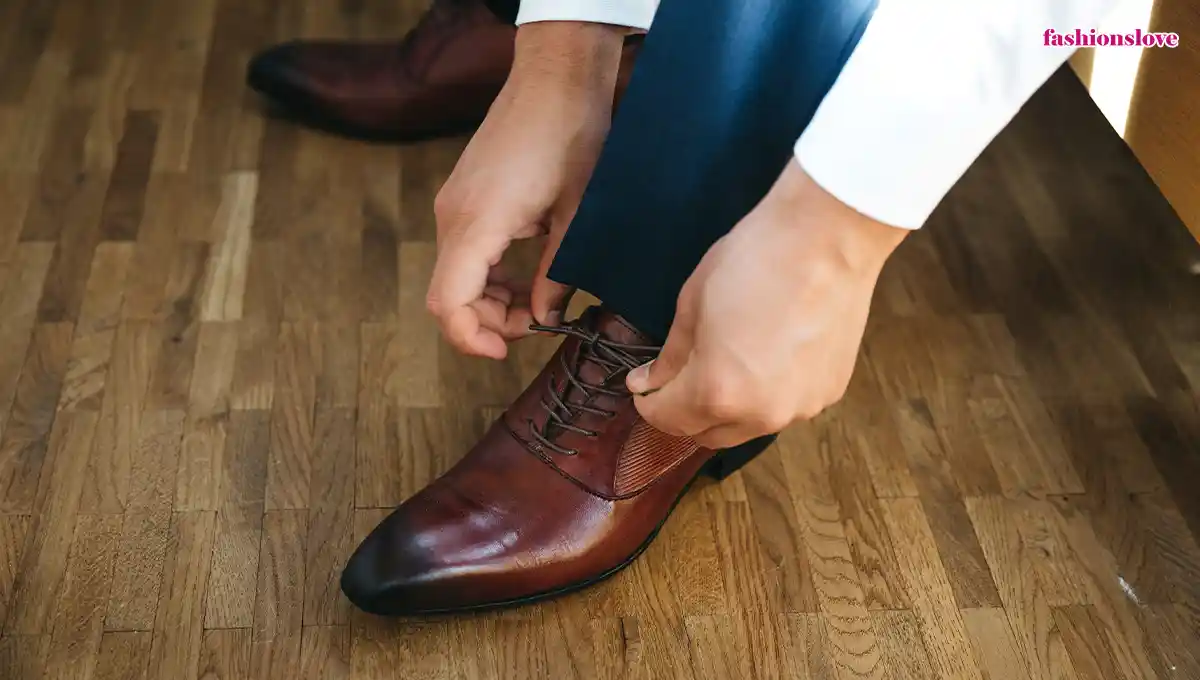
Men's Footwear: How to Choose the Right Shoes for Every Occasion
Finding the right men's footwear isn't just about matching your outfit—it also affects your comfort, confidence, and even your foot health. Whether you're dressing for work, heading to a wedding, exploring a new city, or simply running errands, the shoes you wear can make a lasting impression while supporting your daily activities.
Today's footwear market offers countless options, from timeless leather Oxfords and versatile loafers to modern sneakers, rugged boots, and lightweight sandals. The challenge isn't finding shoes—it's knowing which pair suits your lifestyle, wardrobe, and budget.
In this guide, you'll learn how to choose the best men's shoes for every occasion, compare different footwear styles, understand materials and construction, avoid common buying mistakes, and make smart investments that last for years. Whether you're building your first shoe collection or upgrading your current wardrobe, these expert recommendations will help you make confident decisions.
Why Men's Footwear Matters More Than You Think
Many people focus on clothing first, but footwear often has the biggest impact on how polished an outfit looks. A great pair of shoes can instantly elevate a simple outfit, while worn-out or mismatched footwear can undermine an otherwise stylish appearance.
Quality footwear also contributes to:
- Better posture and comfort
- Reduced foot fatigue
- Improved durability and long-term value
- Greater confidence in professional and social settings
- Protection during different weather conditions
According to the American Podiatric Medical Association (APMA), supportive footwear plays an important role in maintaining overall foot health and reducing discomfort caused by prolonged standing or walking.
Types of Men's Footwear Every Wardrobe Should Include
A versatile shoe collection doesn't require dozens of pairs. Instead, focus on owning the right styles for different occasions.
1. Sneakers
Sneakers have evolved far beyond athletic wear. Today, minimalist leather sneakers and premium lifestyle designs pair effortlessly with jeans, chinos, joggers, and even smart-casual outfits.
Best for:
- Everyday wear
- Weekend outings
- Traveling
- Casual office environments
Look for features such as:
- Cushioned midsoles
- Breathable mesh or leather uppers
- Durable rubber soles
- Arch support for all-day comfort
White leather sneakers remain one of the most versatile choices because they complement almost every casual wardrobe.
2. Oxford Shoes
Oxford shoes are considered one of the most formal options in men's fashion. Their closed-lacing design creates a clean and sophisticated appearance suitable for business and formal events.
Perfect for:
- Business meetings
- Weddings
- Black-tie events
- Interviews
Choose full-grain leather whenever possible for superior durability and a refined finish.
3. Derby Shoes
Often confused with Oxfords, Derby shoes feature an open-lacing system, making them slightly more relaxed while offering greater comfort for wider feet.
Ideal for:
- Office wear
- Business casual outfits
- Dinner events
- Semi-formal occasions
Their versatility makes them an excellent first investment for anyone building a footwear collection.
4. Loafers
Loafers strike the perfect balance between casual and formal. Easy to slip on and stylish enough for many occasions, they're among the most practical shoes a man can own.
Popular styles include:
- Penny loafers
- Tassel loafers
- Horsebit loafers
- Suede loafers
Best paired with:
- Chinos
- Tailored trousers
- Linen suits
- Dark denim
5. Chelsea Boots
Chelsea boots have become a wardrobe staple thanks to their sleek silhouette and versatility. Their elastic side panels make them easy to wear while maintaining a refined appearance.
They're ideal for:
- Autumn and winter
- Business casual outfits
- Smart evening wear
- Weekend city trips
Chelsea boots have become a wardrobe staple thanks to their sleek silhouette and versatility. Their elastic side panels make them easy to wear while maintaining a refined appearance. If you're comparing different boot styles before making a purchase, our article on how to buy boots for men explains the differences between Chelsea, Chukka, hiking, and work boots, along with practical tips on choosing the right fit and materials.
6. Chukka Boots
Chukka boots provide a more relaxed alternative to Chelsea boots while maintaining a polished look.
Best for:
- Smart casual outfits
- Office Fridays
- Travel
- Everyday wear
Suede Chukkas work particularly well during spring and autumn.
7. Sandals
Well-designed leather sandals can provide excellent comfort during warmer months without compromising style.
Choose sandals that feature:
- Cushioned footbeds
- Adjustable straps
- Quality leather or durable synthetic materials
- Good arch support
Avoid overly sporty designs when dressing for social occasions.
8. Running Shoes
Running shoes should primarily be selected based on performance rather than appearance.
Factors to consider include:
- Cushioning
- Stability
- Heel drop
- Breathability
- Running surface
Many brands now offer lifestyle versions that combine athletic comfort with everyday style.
Comparison Table: Choosing the Right Men's Footwear
|
Footwear Type |
Formality |
Comfort |
Best Season |
Best For |
Durability |
|
Sneakers |
Casual |
⭐⭐⭐⭐⭐ |
All Year |
Daily Wear |
⭐⭐⭐⭐ |
|
Oxford Shoes |
Formal |
⭐⭐⭐ |
All Year |
Business & Weddings |
⭐⭐⭐⭐⭐ |
|
Derby Shoes |
Smart Casual |
⭐⭐⭐⭐ |
All Year |
Office |
⭐⭐⭐⭐⭐ |
|
Loafers |
Smart Casual |
⭐⭐⭐⭐ |
Spring & Summer |
Weekend & Office |
⭐⭐⭐⭐ |
|
Chelsea Boots |
Smart Casual |
⭐⭐⭐⭐ |
Autumn & Winter |
Evening & Travel |
⭐⭐⭐⭐⭐ |
|
Chukka Boots |
Casual |
⭐⭐⭐⭐ |
Autumn |
Everyday Style |
⭐⭐⭐⭐ |
|
Sandals |
Casual |
⭐⭐⭐⭐ |
Summer |
Vacation |
⭐⭐⭐ |
|
Running Shoes |
Athletic |
⭐⭐⭐⭐⭐ |
All Year |
Exercise |
⭐⭐⭐⭐ |
How to Choose the Best Men's Footwear
Buying shoes isn't just about appearance. Consider these essential factors before making a purchase.
Fit Comes First
Shoes should fit comfortably from the first wear without relying on a lengthy break-in period. Leave a small amount of space in the toe box, ensure the heel stays secure, and avoid styles that pinch or rub.
If you're shopping online, measure both feet and compare your measurements with the brand's sizing chart, as sizes can vary between manufacturers.
This is especially helpful when browsing retailers with a wide range of brands, such as Debenhams UK, where sizing and fit may differ from one manufacturer to another
Match Shoes to Your Lifestyle
Think about how and where you'll wear your shoes most often. A professional who spends the day in an office will benefit from a mix of Oxfords, loafers, and smart sneakers, while someone with a more active routine may prioritize supportive sneakers and durable boots.
Build a Versatile Collection
If you're unsure which styles deserve a place in your wardrobe, comparing popular men's fashion shoes can help you build a collection that works across casual, business, and formal settings, rather than buying shoes you'll rarely wear.
Shoe Materials Compared
The material of your shoes influences comfort, durability, maintenance, and appearance. Choosing the right one depends on your lifestyle and how often you plan to wear them.
|
Material |
Durability |
Breathability |
Maintenance |
Best For |
|
Full-Grain Leather |
Excellent |
Moderate |
Moderate |
Formal & Long-Term Wear |
|
Suede |
Good |
Good |
High |
Smart Casual |
|
Canvas |
Moderate |
Excellent |
Easy |
Summer & Casual |
|
Mesh |
Moderate |
Excellent |
Easy |
Sports & Walking |
|
Synthetic Leather |
Good |
Moderate |
Easy |
Budget-Friendly Options |
When buying leather footwear, look for manufacturers that follow responsible sourcing practices. Organizations like the Leather Working Group certify leather producers that meet environmental standards, making it easier to identify brands committed to more sustainable manufacturing practices.
Style Your Men's Footwear for Every Occasion
Owning great shoes is only half the equation. Knowing when and how to wear them helps you create polished outfits that suit the occasion. Here are practical styling recommendations to make the most of your footwear collection.
Office & Business Meetings
Professional settings call for clean, well-maintained shoes that complement tailored clothing.
Recommended footwear:
- Oxford shoes
- Derby shoes
- Leather loafers
Pair with:
- Navy or charcoal suits
- Tailored trousers
- Dress shirts
- Blazers
Style Tip: Match your belt to your shoe color for a coordinated, professional look.
Smart Casual Events
Whether you're attending dinner, a networking event, or a date, smart casual outfits allow for more flexibility.
Recommended footwear:
- Penny loafers
- Chelsea boots
- Premium leather sneakers
Pair with:
- Chinos
- Polo shirts
- Lightweight sweaters
- Sports jackets
Brown leather shoes work especially well with navy, olive, and beige clothing.
Weekend Casual
For relaxed outings, comfort should be the priority without sacrificing style.
Recommended footwear:
- White sneakers
- Canvas sneakers
- Slip-ons
- Chukka boots
Pair with:
- Jeans
- Shorts
- T-shirts
- Hoodies
- Overshirts
Minimalist sneakers are versatile enough to transition from brunch to evening plans.
Weddings & Formal Celebrations
Special occasions deserve footwear that complements formal attire.
Recommended footwear:
- Black Oxford shoes
- Dark brown Oxfords
- Polished Derby shoes
Avoid athletic sneakers or overly casual boots unless the dress code specifically allows them.
Travel
Travel shoes should provide comfort for long hours while remaining versatile enough to pair with different outfits.
Look for:
- Lightweight construction
- Cushioned midsoles
- Slip-resistant soles
- Breathable materials
A quality leather sneaker or lightweight Chelsea boot often works well for city travel because it balances comfort and style.
Best Men's Footwear by Season
Different weather conditions require different shoe materials and styles.
|
Season |
Recommended Footwear |
Why It Works |
|
Spring |
Loafers, White Sneakers |
Comfortable and breathable |
|
Summer |
Sandals, Canvas Sneakers, Loafers |
Lightweight and cool |
|
Autumn |
Chelsea Boots, Chukka Boots |
Suitable for changing weather |
|
Winter |
Leather Boots, Waterproof Boots |
Better grip and protection |
Rotating shoes by season also extends their lifespan by reducing daily wear on a single pair.
Build a Capsule Shoe Collection
You don't need ten different pairs of shoes. A thoughtfully curated collection can handle almost every occasion.
1. White Leather Sneakers
Ideal for everyday wear, travel, and smart casual outfits.
2. Black Oxford Shoes
A must-have for formal events, interviews, and business meetings.
3. Brown Loafers
Perfect for office wear, dinners, and semi-formal occasions.
4. Chelsea Boots
Great for autumn, winter, and elevated casual looks.
5. Running Shoes
Essential for workouts, walking, and active lifestyles.
With just these five styles, you'll be prepared for nearly any event.
How to Care for Your Men's Footwear
Proper maintenance not only keeps shoes looking great but also extends their lifespan.
Clean Shoes Regularly
Remove dust and dirt after each use with a soft brush or microfiber cloth. Cleaning prevents debris from damaging the material over time.
Use Shoe Trees
Wooden shoe trees help leather shoes retain their shape while absorbing excess moisture. Cedar shoe trees are especially effective because they naturally reduce odor.
Rotate Your Shoes
Avoid wearing the same pair every day. Allowing shoes to rest for at least 24 hours helps moisture evaporate, reducing wear and extending durability.
Protect Against Water
Apply a suitable waterproof spray to suede, canvas, and leather shoes before wearing them in wet conditions. Reapply periodically according to the manufacturer's instructions.
Polish Leather Shoes
Condition and polish leather footwear every few weeks to maintain flexibility and preserve its finish. A well-maintained leather shoe can last for years with proper care.
Common Mistakes to Avoid When Buying Men's Footwear
Many shoppers focus only on appearance, leading to purchases they rarely wear. Avoid these common mistakes.
Buying the Wrong Size
Feet often swell throughout the day. Try on shoes in the afternoon or evening to ensure a more accurate fit.
Prioritizing Fashion Over Comfort
A stylish shoe loses its appeal if it's uncomfortable after an hour of wear. Always balance aesthetics with proper support.
Ignoring Material Quality
Full-grain leather generally lasts longer than lower-quality synthetic alternatives. While premium materials cost more upfront, they often provide better long-term value.
Buying Without Considering Your Wardrobe
Before purchasing new shoes, think about the clothes you already own. Neutral colors like black, brown, tan, and white pair with a wider range of outfits than bold colors.
Not Checking Sole Construction
Pay attention to sole quality. Well-constructed rubber soles offer grip and comfort, while stitched leather soles often provide greater longevity and can sometimes be resoled, extending the shoe's life.
Expert Tips for Buying Men's Footwear
Based on industry recommendations and years of timeless menswear principles, these tips can help you make smarter purchases.
Invest in Quality Over Quantity
A few well-made pairs often outperform a closet full of inexpensive shoes. Better materials, stronger construction, and improved comfort usually translate into a longer lifespan.
Choose Versatile Colors First
Start your collection with:
- Black
- Dark brown
- White
- Tan
These colors complement most wardrobes and maximize outfit combinations.
Pay Attention to Construction
Look for features such as:
- Reinforced stitching
- Durable rubber or leather soles
- Comfortable insoles
- Breathable linings
- Quality craftsmanship
Well-constructed shoes tend to hold their shape and remain comfortable over time.
Research Before You Buy
Independent reviews and expert testing can provide valuable insights into comfort, durability, and fit. Publications such as Runner's World offer performance-focused footwear testing, while GQ regularly reviews dress shoes, sneakers, and emerging footwear trends.
Men's Footwear Trends Worth Watching
While classic styles never go out of fashion, several trends continue to gain popularity.
- Minimalist leather sneakers
- Chunky retro-inspired sneakers
- Suede loafers
- Hybrid dress sneakers
- Sustainable footwear made with recycled materials
- Lightweight performance shoes for everyday wear
When following trends, prioritize styles that fit your wardrobe rather than buying shoes simply because they're popular.
Quick Buying Checklist
Before purchasing your next pair of men's footwear, ask yourself:
- Does the shoe fit comfortably without pinching?
- Does it match at least three outfits you already own?
- Is the material appropriate for your climate?
- Will you realistically wear it often?
- Is the construction durable enough for long-term use?
- Does it suit the occasions you need it for?
- Is it easy to maintain?
Using this checklist can help you avoid impulse purchases and build a practical, stylish footwear collection.
Frequently Asked Questions
What is the most versatile men's footwear?
A pair of white leather sneakers is one of the most versatile choices because it works with jeans, chinos, shorts, and even smart-casual outfits. For formal occasions, black Oxford shoes remain the gold standard.
How many pairs of shoes should a man own?
A practical wardrobe typically includes five to seven pairs:
- White sneakers for everyday wear
- Black Oxford shoes for formal occasions
- Brown loafers for smart casual outfits
- Chelsea or Chukka boots for cooler weather
- Running shoes for fitness
- Sandals for warm climates (optional)
- Waterproof boots if you frequently experience rain or snow
This collection covers nearly every occasion without unnecessary duplication.
Which shoe material lasts the longest?
Full-grain leather is widely regarded as the most durable material for quality footwear. With proper care, including cleaning, conditioning and polishing, it can last for many years.
Suede offers a softer appearance but requires more maintenance, while mesh and canvas are excellent choices for breathable casual shoes.
How often should I replace my shoes?
The lifespan depends on how often they're worn and the type of footwear.
As a general guideline:
|
Shoe Type |
Average Lifespan |
|
Running Shoes |
300–500 miles (480–800 km) of use |
|
Leather Dress Shoes |
5–10+ years with proper care |
|
Sneakers |
1–3 years |
|
Boots |
5–15 years, depending on construction |
|
Sandals |
2–5 years |
Rotating multiple pairs and maintaining them properly can significantly extend their lifespan.
Are expensive shoes worth buying?
Not always, but higher-quality shoes often provide better materials, stronger construction, improved comfort, and greater durability.
Rather than focusing solely on price, evaluate:
- Material quality
- Construction
- Comfort
- Brand reputation
- Warranty (if available)
- Customer reviews
A well-made pair that's worn regularly usually offers better value than several inexpensive pairs that wear out quickly.
How should men's footwear fit?
Your shoes should:
- Have enough room for your toes to move comfortably
- Hold your heel securely without slipping
- Feel comfortable immediately, with no painful pressure points
- Provide adequate arch support for your walking style
If you're between sizes, consult the manufacturer's sizing guide, as fit can vary by brand.
What's the difference between Oxford and Derby shoes?
Although they look similar, the key difference is the lacing system.
|
Oxford Shoes |
Derby Shoes |
|
Closed lacing |
Open lacing |
|
More formal |
Slightly more versatile |
|
Best for business and formal events |
Suitable for office and smart casual wear |
|
Sleek appearance |
More accommodating for wider feet |
If you're buying your first dress shoe, either style is a strong choice depending on your wardrobe and comfort preferences.
Can sneakers be worn with business casual outfits?
Yes. Clean, minimalist leather sneakers in neutral colors such as white, black, or navy can complement business casual attire when paired with chinos, tailored trousers, or an unstructured blazer.
Avoid athletic running shoes or heavily branded designs in professional settings.
Final Thoughts
Choosing the right men's footwear is about more than following trends. The best shoes combine comfort, durability, functionality and timeless style while fitting naturally into your everyday life.
Instead of buying multiple pairs on impulse, focus on building a versatile collection that includes quality sneakers, formal dress shoes, comfortable loafers and dependable boots. Whether you shop at local stores or browse collections from Debenhams UK, prioritizing comfort, quality materials, and timeless designs will help you build a footwear collection that delivers long-term value and everyday versatility. This approach ensures you're prepared for work, travel, special occasions, and everything in between while getting the most value from every purchase.
Remember that proper fit and regular maintenance are just as important as appearance. Cleaning your shoes, rotating them throughout the week, and storing them correctly can extend their lifespan and keep them looking their best.
Whether you're purchasing your first pair of quality leather shoes or upgrading your casual sneaker collection, making informed decisions today will help you enjoy greater comfort, confidence, and style for years to come.