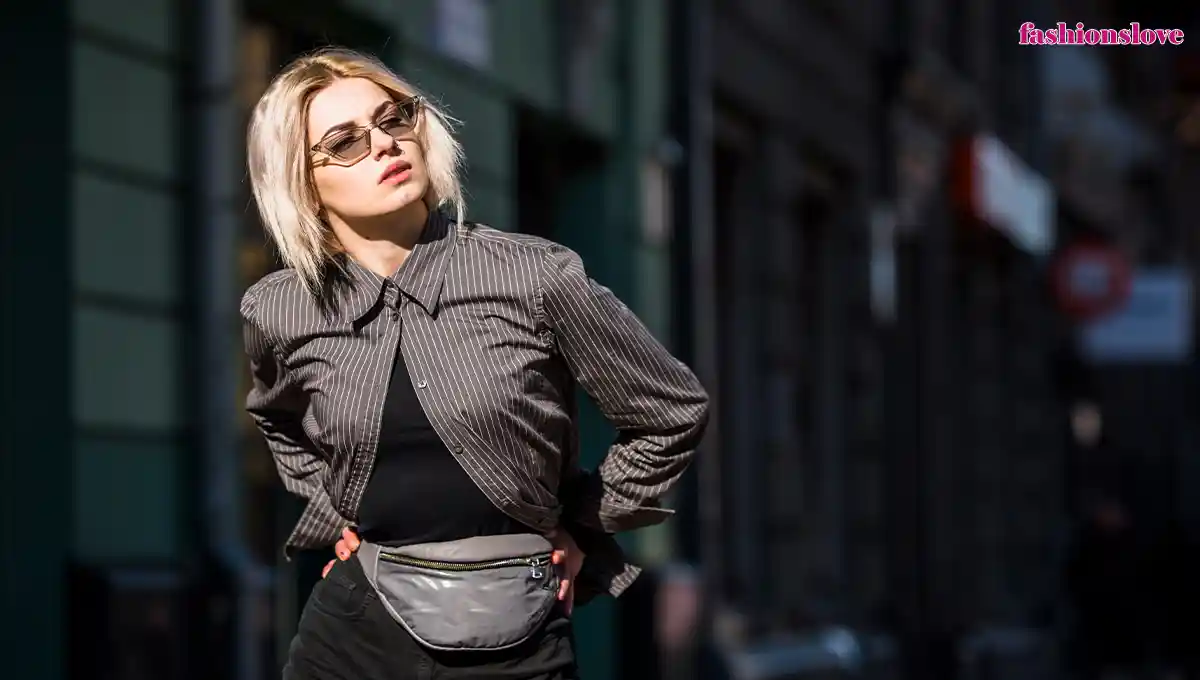
How to Find Your Personal Style and Create a Signature Look
Fashion is more than wearing the latest trends. It is a form of self-expression that shows your personality, lifestyle and confidence before you even say a word. Your personal style is the unique combination of colors, clothing choices, fits and details that make your outfits feel like you.
Finding your style does not mean completely changing your wardrobe or copying what influencers wear. It is about understanding what makes you feel comfortable, confident and authentic. Whether you prefer classic tailoring, relaxed streetwear, minimalist outfits or bold statement pieces, your style should represent your identity.
Many people feel overwhelmed by fashion because they focus too much on trends and not enough on themselves. The secret is learning how to find your personal style by paying attention to what you naturally enjoy wearing and building a wardrobe that supports your everyday life.
From creating a signature look to choosing versatile clothing pieces, developing your fashion identity can make getting dressed easier and more enjoyable.
What Is Personal Style?
Personal style is the way you communicate who you are through your clothing, accessories and overall appearance. Unlike temporary fashion trends, personal style is connected to your preferences, lifestyle and the way you want to present yourself.
For example:
- Someone who values simplicity may prefer clean silhouettes, neutral colors and minimalist outfits.
- Someone with a creative personality may enjoy bold prints, unique accessories and unexpected combinations.
- Someone with a professional lifestyle may choose structured blazers, tailored trousers and polished wardrobe essentials.
There is no single definition of great style. The most stylish people are not always those wearing expensive clothes. They are often the ones who understand what works for them and wear it with confidence.
Your personal style can include:
- Favorite colors
- Preferred clothing shapes
- Go-to outfits
- Signature accessories
- Favorite fabrics
- The balance between comfort and fashion
The goal is not to fit into a specific category. The goal is to create a style identity that feels natural.
Why Finding Your Personal Style Matters
Understanding your style can transform the way you shop, dress and feel every day.
1. It Makes Getting Dressed Easier
When you know what styles work for you, choosing outfits becomes faster. Instead of staring at a closet full of clothes and feeling like you have nothing to wear, you have a clear understanding of your favorite pieces.
A wardrobe built around your style preferences allows you to create outfits quickly because your clothing choices naturally work together.
2. It Helps You Shop Smarter
Without a clear sense of style, it is easy to buy clothes simply because they look good on someone else or because they are trending.
Before purchasing something new, ask:
- Does this match my existing wardrobe?
- Does this represent my style?
- Can I wear it in multiple ways?
- Does it fit my lifestyle?
These questions help you build a wardrobe filled with meaningful pieces instead of items that remain unused.
3. It Builds Fashion Confidence
Confidence comes from feeling comfortable in what you wear.
When your clothes match your personality, you stop worrying about whether you are following every trend and start focusing on what makes you feel good.
A confident outfit does not have to be dramatic. Sometimes a perfectly fitted shirt, favorite pair of jeans or simple accessory can create the strongest impression.
How to Find Your Personal Style Step by Step
Developing your personal style is a process. It requires observation, experimentation and understanding your preferences.
Step 1: Study Your Current Wardrobe
Before buying new clothes, look at what you already own.
Ask yourself:
- Which outfits do I wear repeatedly?
- Which pieces make me feel confident?
- What colors appear most often in my closet?
- Which clothes have been untouched for months?
Your current wardrobe already contains clues about your natural style.
For example, if you repeatedly choose neutral shirts, comfortable denim and simple accessories, you may prefer a classic or minimalist style.
If you enjoy colorful layers, unique prints and statement jewelry, your style may lean toward creative or expressive fashion.
Step 2: Identify Your Style Personality
Understanding your style personality makes it easier to create outfits that feel authentic.
Here are some common style directions:
|
Style Personality |
Key Features |
|
Classic Style |
Timeless pieces, clean cuts and neutral colors |
|
Minimalist Style |
Simple outfits, fewer pieces and effortless combinations |
|
Street Style |
Relaxed fits, sneakers, layers and bold details |
|
Romantic Style |
Soft fabrics, feminine details and elegant silhouettes |
|
Modern Professional Style |
Tailored pieces, structured outfits and polished accessories |
Remember, you do not have to choose only one style. Many people combine different aesthetics to create something unique.
Step 3: Create a Personal Color Palette
Colors play an important role in defining your fashion identity.
Start by identifying:
Colors You Wear Often
These are usually your comfort colors and should form the foundation of your wardrobe.
Examples:
- Black
- White
- Beige
- Navy
- Gray
- Brown
Colors That Add Personality
These can bring energy and individuality:
- Emerald green
- Burgundy
- Pastel shades
- Blue tones
- Warm earth colors
A balanced color palette makes it easier to create outfits that look intentional.
Step 4: Identify Your Favorite Clothing Shapes
The right fit can completely change how an outfit looks and feels.
Pay attention to silhouettes you naturally prefer:
- Oversized shirts
- Fitted jackets
- Wide-leg trousers
- Straight-leg jeans
- Flowing dresses
- Structured coats
Your favorite shapes often reveal your personal style more clearly than trends do.
Building a Wardrobe Around Your Personal Style
Once you understand your preferences, the next step is creating a wardrobe that supports your everyday life. A stylish closet is not about having endless options. It is about owning pieces that work well together and make you feel confident.
The best wardrobes combine:
- Comfortable basics
- Timeless fashion pieces
- Statement items
- Practical clothing choices
- Accessories that reflect your personality
Instead of buying clothes at random, consider creating a collection where each piece serves a purpose.
For example, a well-designed wardrobe may include:
- A classic white shirt for professional and casual outfits
- Well-fitted denim for everyday wear
- A blazer for polished looks
- A comfortable maxi dress for effortless styling
- Statement accessories to add personality
- Versatile shoes that match different outfits
These pieces create a strong foundation while allowing room for creativity.
How a Capsule Wardrobe Can Improve Your Personal Style
A capsule wardrobe is one of the easiest ways to create a more intentional and stylish closet. It focuses on selecting fewer but more useful pieces that can be mixed and matched in multiple ways.
A capsule wardrobe does not mean wearing boring outfits or limiting your creativity. Instead, it helps you understand which clothing pieces truly represent your style.
For example:
A neutral blazer can create multiple looks:
- Blazer + jeans + sneakers for a casual outfit
- Blazer + trousers for a professional appearance
- Blazer + dress for an elegant evening style
The goal is to choose pieces that support your lifestyle while making outfit planning easier.
Benefits of a Capsule Wardrobe:
|
Benefit |
How It Helps |
|
Less clutter |
Keeps only pieces you genuinely use |
|
Easier styling |
Creates more outfit combinations |
|
Smarter shopping |
Reduces unnecessary purchases |
|
Better confidence |
Helps you understand what works for you |
A thoughtful wardrobe allows your personal style to become clearer because every item reflects your preferences.
Create a Signature Style That Feels Authentic
A signature style is not about wearing the same outfit every day. It is about having recognizable elements that represent you.
Your signature style could come from:
A Favorite Color
Some people naturally gravitate toward specific shades.
Examples:
- Neutral tones for a minimalist look
- Earth colors for a relaxed style
- Bright colors for a bold personality
A Favorite Clothing Piece
A signature piece can instantly make outfits feel personal.
Examples:
- Leather jacket
- Oversized blazer
- Statement earrings
- Classic watch
- Maxi dress
- Unique handbag
A Styling Habit
Small details often create the biggest impact.
Examples:
- Rolling shirt sleeves
- Layering necklaces
- Wearing monochrome outfits
- Mixing casual and formal pieces
Your style identity is created through these small choices over time.
Understanding Transitional Style
Modern fashion is becoming more practical. People want clothing that works across different occasions and seasons.
This is where transitional style becomes valuable.
Transitional style focuses on versatile clothing pieces that can adapt to different settings.
Examples:
Lightweight Jacket
Works for:
- Casual weekends
- Travel outfits
- Office layering
Neutral Trousers
Works for:
- Business meetings
- Dinner plans
- Everyday outfits
Simple Dress
Can be styled with:
- Sneakers for a relaxed look
- Heels for formal occasions
- Boots during colder months
This approach helps you create a wardrobe that feels flexible without constantly buying new clothes.
Personal Style Ideas for Different Occasions
Your personal style should adapt to your lifestyle while still feeling authentic.
Everyday Casual Style
For relaxed days, focus on comfort without losing personality.
Try:
- Straight-leg jeans
- Basic tees
- Comfortable sneakers
- Lightweight layers
- Simple accessories
Professional Style
A polished work wardrobe does not have to feel boring.
Consider:
- Tailored trousers
- Structured blazers
- Button-down shirts
- Loafers
- Minimal jewelry
The key is choosing pieces that make you feel confident while matching your workplace environment.
Special Occasion Style
For events, focus on pieces that make you feel elevated.
Ideas:
- A well-fitted dress
- Statement accessories
- Elegant footwear
- A stylish handbag
A simple outfit with the right details can often make a stronger impression than an overly complicated look.
Seasonal Personal Style Inspiration
Your style can evolve with different seasons while keeping your core identity.
Spring Outfit for Women
A stylish spring outfit for women often combines comfort, color and lightweight layers.
Some ideas include:
- A floral midi dress with a light jacket
- Neutral trousers with a soft-colored blouse
- Denim paired with breathable tops
- Comfortable flats with simple accessories
Spring fashion is a great opportunity to experiment with fresh colors while staying connected to your personal style.
Different Fashion Approaches and Their Characteristics
|
Fashion Approach |
Description |
Key Pieces |
|
Minimalist |
Simple, clean and practical |
Neutral tops, tailored pants, simple dresses |
|
Classic |
Timeless and elegant |
Blazers, button shirts, structured bags |
|
Casual |
Comfortable and effortless |
Denim, sneakers, relaxed layers |
|
Street Style |
Modern and expressive |
Oversized jackets, sneakers, graphic pieces |
|
Romantic |
Soft and feminine |
Dresses, delicate details, flowing fabrics |
You can combine different approaches to create a style that feels completely personal.
When Should You Work With a Personal Stylist?
Finding your personal style does not require professional help, but a stylist can be useful when you need guidance.
A personal stylist can help with:
- Understanding flattering fits
- Building wardrobe combinations
- Choosing colors
- Shopping with a clear purpose
- Creating outfits for important occasions
For example, someone starting a new career may need help creating professional outfits, while someone preparing for an event may want assistance creating a polished look.
A stylist does not replace your personality. They help you express it more clearly.
Personal Clothing Stylist vs Fashion Consultant: What’s the Difference?
While both professionals help improve your appearance, their roles are slightly different.
Understanding the difference can help you decide what type of support you need.
|
Professional |
Main Focus |
Best For |
|
Personal Clothing Stylist |
Creates outfits based on your lifestyle, preferences and wardrobe |
Everyday styling improvements |
|
Personal Fashion Stylist |
Focuses on creating polished looks and fashion direction |
Events, photoshoots and style transformations |
|
Men’s Fashion Consultant |
Provides advice on fit, colors and clothing choices |
Building confidence and improving wardrobe decisions |
|
Personal Shopper |
Finds and selects clothing based on your needs |
Saving time while shopping |
A professional can offer guidance, but the foundation of great fashion always starts with understanding your own personal style.
Common Personal Style Mistakes to Avoid
Creating a style identity takes time. Many people make mistakes that prevent them from developing a wardrobe that feels authentic.
1. Following Every Fashion Trend
Trends can be fun, but copying every popular look can make your wardrobe feel disconnected from your personality.
Instead of asking:
“Is this trending?”
Ask:
“Does this fit my lifestyle and make me feel confident?”
The best style combines modern inspiration with pieces that feel natural to you.
2. Buying Clothes Without a Plan
Impulse shopping often creates a closet filled with items that rarely get worn.
Before purchasing something, consider:
- Can I style this in multiple ways?
- Does it match my existing wardrobe?
- Does it represent my style personality?
- Will I wear it regularly?
Intentional shopping helps you build a wardrobe that feels more complete.
3. Ignoring Fit and Comfort
Even expensive clothing will not look right if it does not fit properly.
Pay attention to:
- Shoulder fit
- Length
- Fabric comfort
- Movement
- Proportion
Clothes should work with your body, not make you uncomfortable.
4. Thinking Style Requires Expensive Clothing
Great style is not determined by price tags.
A simple outfit with:
- Good fit
- Clean styling
- Thoughtful accessories
- Confidence
can look more impressive than an expensive outfit that does not match your personality.
5. Forgetting Lifestyle When Choosing Clothes
Your wardrobe should support your real life.
Someone who works remotely may need comfortable everyday outfits, while someone attending frequent meetings may need more structured pieces.
The right style is practical as well as attractive.
How to Improve Your Personal Style Without Buying New Clothes
You do not always need new shopping bags to refresh your style. Small changes can create a completely different look.
Experiment With New Outfit Combinations
Try pairing pieces you normally wear separately.
Examples:
- A casual shirt with tailored trousers
- Sneakers with a dress
- A blazer over a basic tee
- Jewelry with everyday outfits
Sometimes your wardrobe already has more possibilities than you realize.
Update Your Styling Details
Small adjustments can make basic outfits feel intentional.
Try:
- Adding a belt
- Rolling sleeves differently
- Layering necklaces
- Changing your hairstyle
- Switching footwear
Details often create the biggest style impact.
Create Outfit Inspiration Boards
Collect images of outfits you genuinely like from:
- Fashion magazines
- Social media
After collecting several examples, look for patterns.
You may notice that you prefer:
- Similar colors
- Certain silhouettes
- Specific accessories
- Repeated outfit combinations
These patterns reveal your personal style.
How Your Style Can Change Over Time
Your personal style is not permanent. It naturally evolves as your lifestyle, preferences and confidence change.
A person’s style may shift because of:
- A new career
- Different daily routines
- Changing priorities
- New fashion interests
- Lifestyle changes
This does not mean your previous style was wrong. It simply means your fashion identity is growing.
The goal is not to find one perfect style forever. The goal is to create a wardrobe that continues to feel like you.
Frequently Asked Questions About Personal Style
What does personal style mean?
Personal style is the way you express your personality, lifestyle and preferences through clothing, accessories and outfit choices. It reflects what makes you feel confident and comfortable rather than simply following fashion trends.
How do I find my personal style?
To find your personal style, start by analyzing your current wardrobe, identifying clothes you enjoy wearing and noticing patterns in your favorite outfits. Pay attention to colors, fits and styles that make you feel confident.
Creating a collection of wardrobe essentials and experimenting with different looks can help you discover what represents you.
How can I create a signature style?
A signature style comes from repeating elements that represent your personality.
This could include:
- A favorite color palette
- A specific type of accessory
- A preferred clothing silhouette
- A unique way of styling outfits
Your signature look should feel natural rather than forced.
Can a capsule wardrobe help improve personal style?
Yes. A capsule wardrobe can help clarify your style by encouraging you to choose pieces that truly match your lifestyle and preferences.
By focusing on versatile clothing pieces, you can create more outfits while avoiding unnecessary purchases.
Does personal style change with age?
Yes. Personal style often changes as your lifestyle, confidence and preferences develop. The clothes you enjoy wearing in one stage of life may be different later, and that evolution is completely normal.
How can I look more stylish every day?
You can improve your everyday style by focusing on:
- Wearing clothes that fit well
- Choosing colors that work together
- Adding simple accessories
- Creating balanced outfits
- Taking care of your clothing
Style is often about thoughtful details rather than complicated outfits.
Final Thoughts: Your Style Should Tell Your Story
Your personal style is not about becoming someone else. It is about understanding yourself and expressing that identity through fashion.
The most memorable outfits are not always the most expensive or trend-focused. They are the ones that feel authentic, comfortable and connected to the person wearing them.
Whether you are creating a capsule wardrobe, experimenting with new outfit ideas or refining your signature look, the most important step is choosing pieces that represent who you are.
Fashion trends will continue to change, but your style identity can remain consistent. When you understand what makes you feel confident, getting dressed becomes less about impressing others and more about expressing yourself.
The best style statement is simple: wear what feels like you, and own it with confidence.