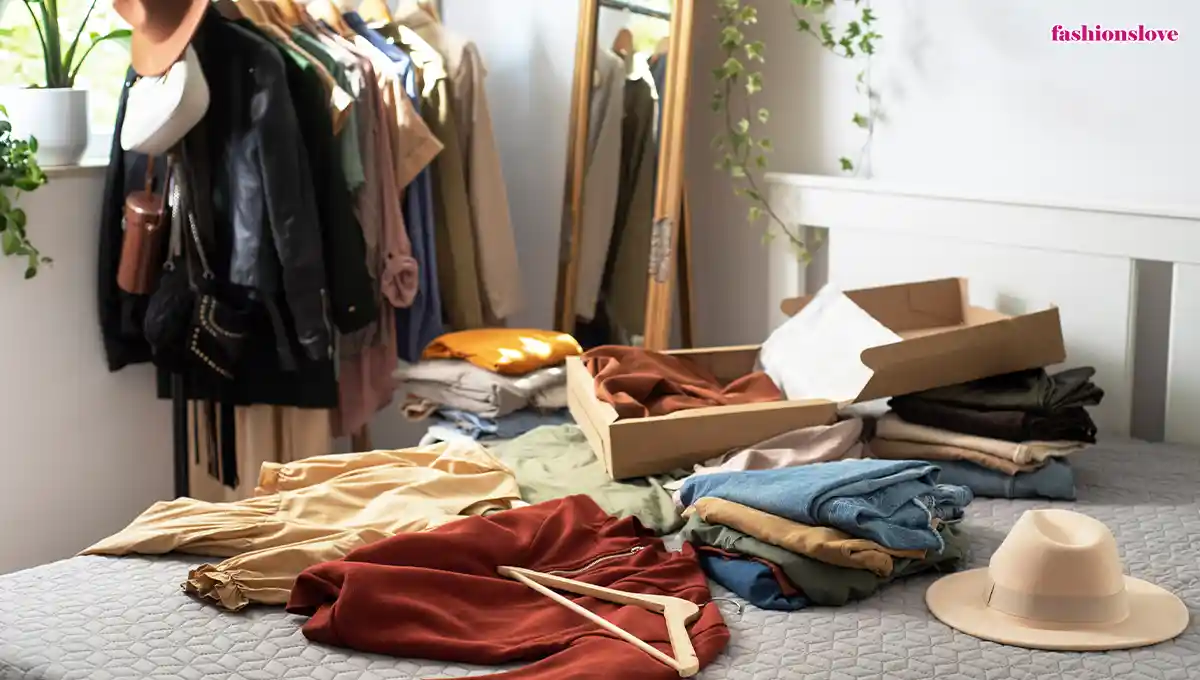
How to Build a Capsule Wardrobe That Fits Your Style
A closet filled with clothes does not always make getting dressed easier. Many people own dozens of outfits but still feel like they have nothing to wear because their wardrobe lacks structure and purpose.
A thoughtfully planned closet focuses on versatility, comfort and personal style. A well-fitted blazer, classic denim, comfortable basics and a versatile maxi dress can create countless outfits when they are chosen with intention.
The purpose is not to own the smallest number of clothes possible. It is about creating a wardrobe that supports your lifestyle, reduces daily decisions and helps you feel confident in what you wear.
What Is a Capsule Wardrobe?
A capsule wardrobe is a collection of carefully chosen clothing pieces that work well together and can be styled in multiple ways. Instead of having a closet full of items that rarely get worn, this approach focuses on practical pieces that match your lifestyle and personal preferences.
The foundation usually includes:
- Timeless clothing designs
- Comfortable everyday basics
- Colors that coordinate easily
- Pieces suitable for different occasions
- High-quality items that last longer
For example, a classic white shirt can create several different outfits. You can wear it with jeans for a casual day, pair it with tailored trousers for work or layer it under a blazer for a polished appearance.
A neutral maxi dress is another versatile option. It can be styled with sneakers and a denim jacket for daytime wear or transformed with accessories and heels for an evening event.
The idea is not to remove creativity from fashion. Instead, it creates a stronger foundation where your favorite pieces work together naturally.
Why Create a More Intentional Wardrobe?
A carefully planned closet offers benefits beyond organization. It can make everyday dressing simpler while helping you make smarter fashion choices.
1. Spend Less Time Choosing Outfits
When your clothes complement each other, creating outfits becomes faster. Instead of searching through items you rarely wear, you have reliable combinations ready for different situations.
This is especially helpful during busy mornings when you want an outfit that looks good without spending too much time deciding what to wear.
2. Make Smarter Shopping Decisions
A curated closet helps you avoid unnecessary purchases. Before buying something new, consider:
- Does it work with clothes I already own?
- Can I style it in different ways?
- Does it match my lifestyle?
- Will I wear it regularly?
These questions encourage intentional shopping instead of buying items because they are temporarily popular.
3. Develop a Clearer Personal Style
Many people struggle with their fashion identity because they constantly switch between trends. Building a wardrobe around your preferences helps you understand what actually works for you.
Pay attention to:
- Colors you naturally choose
- Fabrics you feel comfortable wearing
- Fits that suit your lifestyle
- Outfits you receive compliments on
Over time, your closet becomes a reflection of your personality rather than a collection of random purchases.
4. Create More Outfits With Fewer Pieces
The biggest advantage of a simplified wardrobe is flexibility. A smaller selection of well-chosen items can create many different looks.
For example, a black blazer can be styled with:
|
Clothing Combination |
Style Result |
|
Jeans and a basic tee |
Casual everyday outfit |
|
Maxi dress |
Smart casual look |
|
Tailored trousers |
Professional outfit |
|
Skirt and loafers |
Polished weekend style |
A versatile piece earns its place when it can adapt to different occasions.
How to Build a Capsule Wardrobe Step by Step
Creating a functional wardrobe does not require replacing everything you own. The best approach is to start with what you already have and make thoughtful improvements over time.
Step 1: Understand Your Lifestyle Needs
Before choosing wardrobe essentials, consider how you spend most of your time.
Your clothing requirements will depend on your daily routine.
|
Lifestyle |
Useful Pieces |
|
Office-focused routine |
Blazers, trousers, button-down shirts |
|
Casual lifestyle |
Denim, comfortable tops, sneakers |
|
Frequent travel |
Layering pieces, wrinkle-resistant clothing |
|
Social events |
Dresses, accessories, elegant footwear |
Someone who works remotely may need more relaxed basics, while someone in a corporate environment may require clothing that transitions easily between meetings and social occasions.
Understanding your real needs prevents you from building a closet based on someone else’s lifestyle.
Step 2: Review Your Existing Closet
Before shopping, analyze what you already own.
Separate your clothing into four groups:
Keep
Items you regularly wear and feel confident in.
Repair
Pieces that need small fixes such as stitching, buttons or alterations.
Donate
Clothes that no longer fit your lifestyle or personal taste.
Store
Seasonal items that you still enjoy but do not currently need.
During this process, notice patterns. The colors, silhouettes and fabrics you repeatedly choose can reveal your true style preferences.
Step 3: Choose a Color Palette
A coordinated color palette makes creating outfits much easier. When your clothing colors work together, you can combine different pieces without spending extra time planning each look.
Many well-planned wardrobes begin with neutral foundation shades such as:
- Black
- White
- Beige
- Navy
- Gray
- Brown
After choosing your base colors, add a few shades that reflect your personality:
- Burgundy
- Olive green
- Soft pink
- Blue
- Pastel tones
The purpose of a color palette is not to make your style boring. It simply creates a foundation where more pieces can work together.
Capsule Wardrobe Essentials: Pieces That Create More Outfits
The right wardrobe essentials are not defined by a specific number of items. Some people prefer a smaller collection, while others need more options because of their lifestyle, work or climate.
A practical collection often includes around 25 to 40 carefully selected pieces, but the ideal number depends entirely on your personal needs.
The goal is not to follow a strict rule. The goal is to own pieces that are comfortable, useful and easy to style.
|
Category |
Essential Pieces |
Why They Work |
|
Tops |
White shirt, basic tees, neutral blouse, knit sweater |
Easy layering and everyday styling |
|
Bottoms |
Classic jeans, tailored trousers, neutral skirt |
Creates casual and polished outfits |
|
Dresses |
Black dress, maxi dress, versatile midi dress |
Suitable for different occasions |
|
Outerwear |
Blazer, denim jacket, lightweight coat |
Adds structure and seasonal flexibility |
|
Shoes |
Sneakers, loafers, ankle boots |
Covers casual and formal needs |
|
Accessories |
Handbag, belt, scarves, simple jewelry |
Adds personality without clutter |
These items create a strong foundation while still leaving room for creativity.
The Most Versatile Clothing Pieces for a Minimalist Wardrobe
The best wardrobe staples are not always the newest trends. They are the pieces that you can wear repeatedly while creating different looks.
1. Classic White Button-Up Shirt
A white shirt is one of the most adaptable clothing pieces you can own. It works across casual, professional and polished outfits.
Ways to style it:
- Pair it with jeans and sneakers for a relaxed look
- Wear it with trousers and a blazer for work
- Layer it under a sweater during colder months
- Add jewelry for a more elevated outfit
A quality white shirt can remain useful for years when it fits well and matches your lifestyle.
2. Well-Fitted Denim Jeans
A reliable pair of jeans can become the foundation of many everyday outfits.
When choosing denim, focus on comfort and fit instead of buying based only on trends.
Popular options include:
- Straight-leg jeans for a timeless silhouette
- High-rise jeans for a modern shape
- Dark denim for a more polished appearance
The best pair is one that feels comfortable and works with multiple tops, shoes and layers.
3. Neutral Blazer
A blazer instantly adds structure to simple outfits. It is one of the easiest ways to make casual clothing look more refined.
Style ideas:
- Blazer with jeans and a basic tee
- Blazer layered over a maxi dress
- Blazer with tailored trousers
- Blazer paired with a skirt and loafers
Black, beige and navy are especially useful because they coordinate with many colors.
4. A Versatile Maxi Dress
A maxi dress is one of the most flexible additions to a curated closet. Many people think dresses are only suitable for special occasions, but the right design can work for everyday wear.
A simple maxi dress can adapt to different settings:
|
Occasion |
Styling Idea |
|
Casual day |
Add sneakers and a denim jacket |
|
Office setting |
Layer with a blazer and minimal accessories |
|
Evening event |
Add heels and statement jewelry |
|
Travel day |
Pair with comfortable shoes and a lightweight layer |
When choosing one, consider:
- Breathable fabric
- Comfortable fit
- Color compatibility
- Ease of styling
A well-selected maxi dress can become a reliable outfit option throughout different seasons.
5. Comfortable Knit Sweater
A quality sweater adds warmth and versatility during cooler months.
It can be worn with:
- Jeans for casual outfits
- Trousers for a smart casual look
- Dresses for additional layering
Neutral shades are easy to combine but adding one statement sweater can bring more personality to your outfits.
Capsule Wardrobe vs Traditional Closet: Understanding the Difference
Many people believe this style of dressing means owning very few clothes. The real difference is not the quantity of clothing but the purpose behind each item.
|
Traditional Closet |
Intentional Wardrobe |
|
More clothing choices |
Carefully selected pieces |
|
Often includes impulse purchases |
Focuses on thoughtful buying |
|
Difficult outfit decisions |
Easier outfit planning |
|
Trend-focused shopping |
Timeless style choices |
|
Some items remain unused |
Most pieces serve a purpose |
A simplified wardrobe does not reduce creativity. It gives you a stronger base for expressing your individual style.
How to Organize Your Capsule Wardrobe
Once you have selected your essential pieces, organization helps maintain a functional closet.
1. Arrange Clothes by Category
Group similar items together:
- Shirts
- Dresses
- Pants
- Jackets
- Accessories
This makes it easier to see what you own and create outfits quickly.
2. Organize by Color
A color-based system can make outfit planning easier.
Try arranging clothes in this order:
- Light colors
- Neutral shades
- Dark colors
- Accent colors
A visually organized closet also makes it easier to notice gaps and avoid unnecessary purchases.
3. Separate Seasonal Clothing
Not every item needs to stay visible throughout the year.
Store seasonal pieces such as:
- Heavy coats during warmer months
- Summer dresses during colder seasons
- Seasonal accessories
Rotating clothing keeps your closet practical and prevents overcrowding.
4. Use Better Storage Habits
Small improvements can make your wardrobe easier to maintain:
- Use suitable hangers
- Fold knitwear properly
- Keep accessories visible
- Place frequently worn items within easy reach
A well-organized space makes daily dressing more enjoyable.
Styling Ideas to Make a Minimalist Wardrobe Feel Personal
A thoughtfully planned wardrobe does not mean wearing identical outfits every day. The purpose is to create a flexible foundation that allows you to express your personality through styling choices.
Small changes can completely transform basic outfits.
Add Statement Accessories
Accessories are one of the easiest ways to refresh simple clothing pieces.
Try adding:
- A colorful handbag
- Layered necklaces
- A bold belt
- Statement earrings
- A patterned scarf
A simple outfit with the right accessory can feel completely different without requiring new clothing.
Change Your Styling Techniques
The way you wear an item can create a new look.
Simple styling changes include:
- Rolling shirt sleeves
- Tucking in a blouse
- Adding a belt to define your shape
- Layering different textures
- Wearing clothing pieces in unexpected combinations
For example, a button-up shirt can look completely different when worn open over a basic tee compared with a formal outfit tucked into trousers.
Mix Casual and Polished Pieces
Some of the most stylish outfits combine different fashion styles.
Examples:
- Blazer + jeans + sneakers
- Maxi dress + boots + leather jacket
- Basic tee + tailored trousers
- Knit sweater + skirt + loafers
Combining relaxed and polished pieces creates outfits that feel modern without looking overdone.
Common Capsule Wardrobe Mistakes to Avoid
Creating a functional wardrobe becomes easier when you understand common mistakes.
Buying Everything New Immediately
One of the biggest mistakes is assuming you need to replace your entire closet.
Start by using what you already own.
Before shopping:
- Identify your most-worn pieces
- Find missing essentials
- Restyle items you forgot about
- Remove pieces that no longer fit your lifestyle
Many people already own several useful wardrobe staples without realizing it.
Choosing Clothes Only Because They Are Trending
Trends can be fun, but they should not become the foundation of your closet.
A better approach is to choose timeless pieces first and add trend-inspired items carefully.
Ask yourself:
- Will I still enjoy wearing this later?
- Can it work with multiple outfits?
- Does it represent my personal style?
Ignoring Comfort
A stylish item that feels uncomfortable will likely stay unused.
Prioritize:
- Proper fit
- Comfortable fabrics
- Practical designs
- Movement and functionality
The best clothing pieces are the ones you naturally want to wear.
Creating a Wardrobe That Does Not Match Your Lifestyle
Your closet should support your actual routine.
Someone who spends most days casually dressed may not need multiple formal outfits. Someone with frequent business meetings may need more structured clothing options.
Your wardrobe should work for your life not someone else’s.
How to Maintain Your Wardrobe Long Term
Creating a simplified closet is only the beginning. Regular maintenance helps your clothing collection stay useful as your lifestyle changes.
Your needs may change because of:
- A new job
- Different hobbies
- Seasonal changes
- Lifestyle adjustments
A flexible wardrobe can evolve without becoming cluttered again.
Review Your Closet Regularly
Set aside time every few months to evaluate your clothing.
Ask yourself:
- Have I worn this recently?
- Does it fit my current lifestyle?
- Can I create multiple outfits with it?
- Would I choose this item again today?
If something no longer works, consider repairing, donating or replacing it.
Follow the One-In, One-Out Rule
A simple way to maintain balance is:
When adding a new piece:
- Remove an item you no longer wear
- Donate clothing that no longer fits your needs
- Replace items only when necessary
This prevents your closet from slowly becoming overcrowded.
Choose Better Quality Fabrics
A successful wardrobe depends on pieces that can handle regular use.
Consider materials such as:
- Cotton for everyday basics
- Wool for knitwear and cold weather pieces
- Linen for breathable summer clothing
- Quality denim for frequent wear
Taking proper care of clothing also improves longevity.
Helpful habits include:
- Following care instructions
- Washing delicate items correctly
- Repairing small damages quickly
- Storing clothing properly
Creating Seasonal Capsule Wardrobe Collections
A flexible wardrobe can adapt throughout the year while keeping the same foundation pieces.
Instead of replacing everything each season, rotate a few items based on weather and comfort.
Spring Wardrobe Ideas
Focus on:
- Lightweight shirts
- Denim jackets
- Midi skirts
- Comfortable sneakers
- Layering pieces
Spring is ideal for combining lighter fabrics with versatile layers.
Summer Wardrobe Ideas
Useful summer pieces include:
- Breathable tops
- Linen pants
- Cotton dresses
- Sandals
- A versatile maxi dress
A maxi dress works especially well during warmer months because it offers comfort while creating an effortless outfit.
Fall Wardrobe Ideas
Add:
- Knit sweaters
- Lightweight coats
- Boots
- Layering shirts
- Neutral jackets
Fall is a great season for mixing textures and creating layered outfits.
Winter Wardrobe Ideas
Consider:
- Wool coats
- Warm sweaters
- Thermal layers
- Boots
- Scarves
The same foundation pieces can continue working through colder months when combined with appropriate layers.
Building a Capsule Wardrobe on a Budget
Creating a stylish wardrobe does not require expensive shopping. The smartest approach is making thoughtful choices and purchasing items that provide long-term value.
Shop Your Existing Closet First
Before purchasing anything new:
- Identify what you already wear often
- Find pieces that need replacements
- Create new combinations with existing clothes
You may already have several useful basics.
Prioritize Important Purchases
Instead of buying many items at once, focus on pieces that create the most outfit options.
Good investments include:
- A quality blazer
- Comfortable jeans
- A versatile dress
- Everyday shoes
- A classic coat
Avoid Emotional Shopping
Impulse purchases often create unnecessary clutter.
Before buying something, ask:
- Can I style this in at least three ways?
- Does it match my current wardrobe?
- Does it fit my daily routine?
If the answer is no, it may not be the right addition.
Capsule Wardrobes and Sustainable Fashion
A thoughtful approach to clothing can support more sustainable fashion habits.
Buying fewer but more useful pieces encourages people to:
- Wear clothing more often
- Take better care of existing items
- Avoid unnecessary purchases
- Choose durable materials
Fashion becomes less focused on constantly buying something new and more focused on creating a personal style that lasts.
Frequently Asked Questions
How many pieces should a capsule wardrobe have?
There is no universal number that works for everyone. Many people create a functional collection with around 25 to 40 items, including clothing, shoes and outerwear.
The ideal number depends on your lifestyle, climate and personal preferences.
How do I start building a capsule wardrobe?
Start by reviewing your current closet. Keep pieces you enjoy wearing, remove items that no longer fit your lifestyle and identify what is missing.
Then focus on versatile clothing pieces that can be styled in multiple ways.
Can a capsule wardrobe include trendy clothes?
Yes. A simplified wardrobe does not mean avoiding trends completely.
The best approach is to use timeless basics as your foundation and add a few trend-inspired pieces that match your personality.
For example, a seasonal color, accessory or statement piece can refresh classic jeans, shirts or a neutral maxi dress.
Do I need to buy new clothes for a capsule wardrobe?
No. Many people can create a functional wardrobe using pieces they already own.
Start by organizing your closet and understanding what works before purchasing anything new.
Can this type of wardrobe work for every season?
Yes. Seasonal changes can be managed by rotating items such as coats, sweaters, sandals and summer dresses while keeping your core clothing pieces consistent.
What are the most important wardrobe essentials?
The most useful foundation pieces usually include:
- White button-up shirt
- Comfortable jeans
- Neutral trousers
- Blazer
- Basic tees
- Maxi dress
- Comfortable shoes
- Lightweight jacket
These items can create many outfit combinations for different occasions.
Final Thoughts: Create a Wardrobe That Works for You
Learning how to build a capsule wardrobe is not about following strict rules or owning a specific number of items. It is about creating a closet filled with clothing that matches your lifestyle, comfort and personality.
The best wardrobes are built around pieces that you genuinely enjoy wearing. Timeless basics, versatile layers and carefully chosen statement items can make everyday dressing easier without limiting creativity.
A comfortable maxi dress, classic denim, a structured blazer or a simple accessory can completely change an outfit when each piece has a purpose.
A stylish wardrobe is not always the largest one. It is the one that helps you feel confident, comfortable and ready for your everyday life.
When your clothing works together, getting dressed becomes simpler and your personal style becomes easier to express.