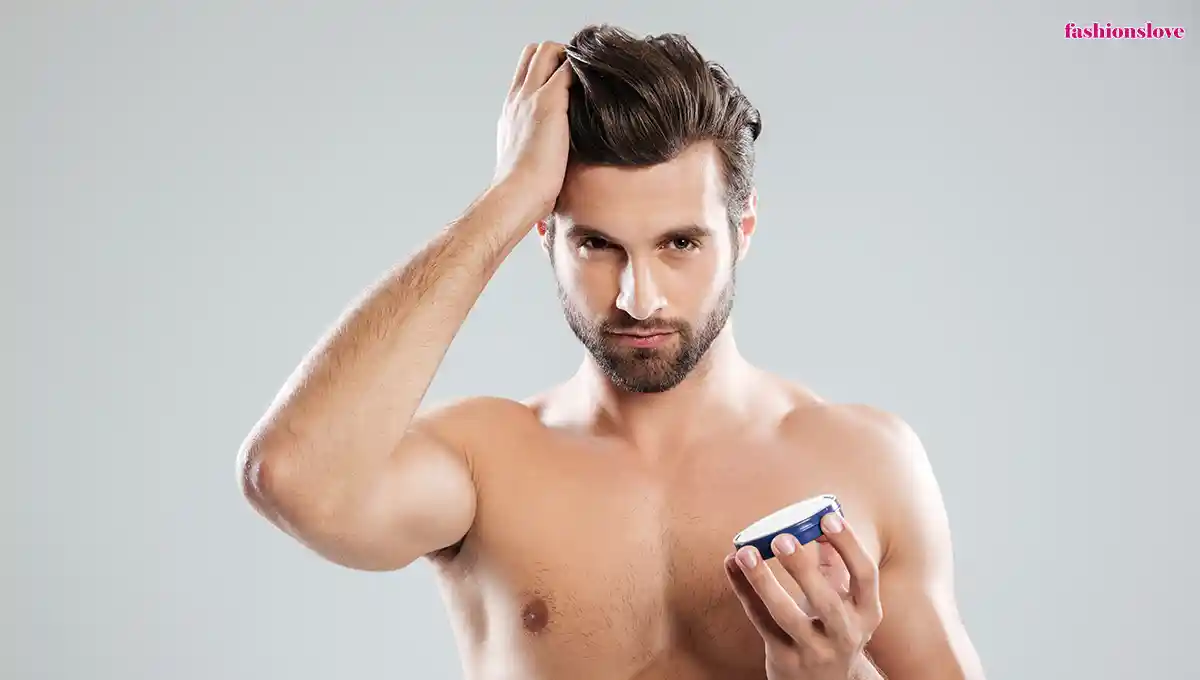
Hair Styling Tips That Help You Style Smarter and Protect Your Hair
Your hairstyle is one of the first things people notice. Whether you're getting ready for work, heading to an event, or simply enjoying a casual day out, well-styled hair can instantly improve your appearance and confidence. The good news is that achieving great-looking hair doesn't require expensive salon visits or complicated routines. It starts with understanding your hair and following practical hair styling tips that work with your hair type instead of against it.
Many people unknowingly damage their hair by using excessive heat, applying the wrong styling products, or skipping essential hair care habits. Over time, these mistakes lead to dryness, split ends, breakage, and thinning. Fortunately, a few simple changes can make a noticeable difference.
In this comprehensive guide, you'll learn professional hair styling tips for different hair types, discover the best styling techniques, understand how to protect your hair from damage, and explore the products and tools that deliver the best results. Whether your hair is straight, wavy, curly, thick, or fine, these recommendations will help you achieve healthier, stronger and more manageable hair every day.
Why Good Hair Styling Starts with Healthy Hair
No styling product or expensive tool can compensate for unhealthy hair. Before reaching for a curling iron or hair wax, it's important to build a healthy foundation.
Healthy hair is naturally smoother, shinier, and easier to style. It also holds hairstyles longer while reducing frizz and breakage.
Some essential habits include:
- Wash your hair according to your scalp type.
- Use conditioner after every shampoo.
- Trim split ends every six to eight weeks.
- Avoid excessive heat exposure.
- Protect hair from sun damage.
- Stay hydrated and eat nutrient-rich foods.
These simple habits make every styling session easier and improve long-term hair health.
Know Your Hair Type Before Styling
One of the most overlooked hair styling tips is understanding your natural hair texture. Products and styling methods that work beautifully for one person may not work for another.
|
Hair Type |
Best Styling Method |
Recommended Products |
|
Straight Hair |
Add volume with blow drying |
Volumizing spray, lightweight mousse |
|
Wavy Hair |
Enhance natural texture |
Sea salt spray, curl cream |
|
Curly Hair |
Lock in moisture |
Curl defining cream, leave-in conditioner |
|
Thick Hair |
Control volume |
Hair cream, smoothing serum |
|
Fine Hair |
Lift at the roots |
Volumizing powder, lightweight mousse |
Choosing products based on your hair type helps create styles that last longer while minimizing product buildup.
Start Every Styling Routine with Clean Hair
Many styling problems begin with dirty or overly washed hair.
If your scalp becomes oily quickly, washing every other day may work well. If your hair is dry or curly, two to three washes each week are often enough.
Choose a shampoo that matches your scalp condition.
- An oily scalp requires balancing shampoo.
- Dry scalp benefits from moisturizing formulas.
- Color-treated hair needs sulfate-free products.
- Fine hair responds well to lightweight shampoos.
Condition your hair after every wash, focusing on the mid lengths and ends rather than the scalp.
Build a Daily Hair Care Routine
Consistency produces better results than occasional treatments.
A simple daily routine might include:
Morning
- Comb gently using a wide-tooth comb.
- Apply heat protectant before styling.
- Use a lightweight styling product.
- Finish with a small amount of serum if needed.
Evening
- Brush out styling products.
- Massage your scalp for several minutes.
- Tie long hair loosely before sleeping.
- Sleep on a silk or satin pillowcase to reduce friction.
Following a routine keeps hair healthier while making styling easier over time.
Choose Hair Styling Products Carefully
Many people assume using more product creates better results. In reality, excessive product often leaves hair heavy, greasy, and difficult to manage.
Instead, select products based on your styling goals.
|
Product |
Best For |
Hold |
|
Hair Clay |
Textured short hairstyles |
Medium to Strong |
|
Hair Wax |
Flexible everyday styling |
Medium |
|
Hair Cream |
Natural finish |
Light |
|
Hair Gel |
Sleek hairstyles |
Strong |
|
Hair Mousse |
Volume |
Light to Medium |
|
Sea Salt Spray |
Beachy texture |
Light |
Start with a small amount and build gradually if needed.
A natural finish almost always looks better than stiff or overloaded hair.
Always Use Heat Protection
Heat styling tools are useful but can quickly damage hair if used incorrectly.
Before using:
- Blow dryer
- Curling iron
- Flat iron
- Hot brush
Apply a quality heat protectant spray.
Experts generally recommend keeping styling tools below 350°F (177°C) for fine or damaged hair and using higher temperatures only when necessary for thicker textures. Excessive heat can weaken the hair cuticle and increase breakage over time.
Allow your hair to air dry until it is about eighty percent dry before blow drying. This significantly reduces heat exposure.
Hair Styling Tips for Different Hair Types
Straight Hair
Straight hair often lacks natural volume.
Professional hair styling tips include:
- Blow dry upside down.
- Use volumizing mousse.
- Avoid heavy oils.
- Finish with texture spray.
Wavy Hair
Wavy hair responds well to lightweight products.
For better definition:
- Scrunch hair while damp.
- Apply sea salt spray.
- Diffuse on low heat.
- Avoid brushing after drying.
Curly Hair
Curly hair needs hydration above everything else.
Best practices include:
- Apply leave-in conditioner.
- Use curl cream.
- Dry with a microfiber towel.
- Diffuse instead of rough drying.
- Avoid excessive brushing.
Curly hair benefits from moisture-rich products that reduce frizz without weighing curls down.
Thick Hair
Thick hair can become difficult to manage.
Choose:
- Smoothing cream.
- Lightweight serum.
- Wide paddle brush.
- Layered haircut for easier styling.
Hair Styling Tips Based on Your Face Shape
Your haircut should complement your facial features. While trends come and go, choosing a style that suits your face shape creates a more balanced appearance.
|
Face Shape |
Recommended Hairstyles |
|
Oval |
Almost every hairstyle works well. Try textured crops, quiffs, or shoulder-length layers. |
|
Round |
Add height with pompadours or layered cuts to create definition. |
|
Square |
Side parts, textured styles, and soft layers enhance strong jawlines. |
|
Heart |
Medium-length styles with side-swept bangs help balance proportions. |
|
Diamond |
Layered cuts and side parts add width around the forehead and chin. |
A professional stylist can also recommend cuts based on your hair density, growth pattern, and lifestyle, making it easier to maintain your hairstyle between appointments.
Heat Styling vs. Heatless Styling
While heated tools can create polished looks, relying on them every day may weaken your hair over time. Alternating between heat styling and heatless techniques helps maintain healthy strands.
|
Heat Styling |
Heatless Styling |
|
Fast results |
Minimal damage |
|
Great for sleek looks |
Preserves natural moisture |
|
Requires heat protectant |
Suitable for everyday styling |
|
Can increase dryness with frequent use |
Helps reduce breakage |
Whenever possible, give your hair one or two heat-free days each week. Simple styles like loose braids, buns, twists or natural waves can look just as stylish while allowing your hair to recover.
Essential Hair Styling Tools Worth Investing In
High-quality tools make styling easier and help reduce unnecessary damage.
|
Tool |
Best Use |
Suitable Hair Type |
|
Blow Dryer with Diffuser |
Everyday drying and volume |
All hair types |
|
Ceramic Flat Iron |
Smooth, sleek styles |
Straight, wavy, thick hair |
|
Curling Wand |
Soft curls and waves |
Medium to long hair |
|
Paddle Brush |
Blow drying and detangling |
Thick and straight hair |
|
Round Brush |
Volume and smooth finish |
Fine and medium hair |
|
Wide Tooth Comb |
Gentle detangling |
Curly and textured hair |
If you're exploring more accessories and equipment for everyday styling, this detailed guide on hairstyles for hair growth explains how choosing the right tools can support healthier styling habits.
Common Hair Styling Mistakes to Avoid
Even the best products cannot overcome poor styling habits. Avoid these common mistakes to keep your hair looking its best.
Using Too Much Product
Applying excessive gel, wax, or cream can weigh hair down and create a greasy appearance. Begin with a small amount and add more only if needed.
Skipping Heat Protectant
Heat styling without protection weakens the hair cuticle and increases the risk of split ends and breakage.
Overwashing Your Hair
Frequent washing strips away natural oils, leaving hair dry and difficult to style. Adjust your washing schedule according to your scalp type.
Ignoring Regular Trims
Split ends travel upward over time, causing additional damage. Scheduling trims every six to eight weeks helps maintain healthy hair.
Brushing Wet Hair Aggressively
Hair is more fragile when wet. Use a wide-tooth comb and gently remove tangles from the ends upward.
Following Every Trend
Not every viral hairstyle complements every face shape or hair texture. Choose styles that enhance your natural features rather than copying celebrity trends.
Support Hair Health from Within
Beautiful hair starts with good overall health.
A balanced diet rich in vitamins and minerals supports stronger hair growth and reduces breakage.
Focus on foods containing:
- Protein
- Iron
- Zinc
- Omega 3 fatty acids
- Vitamin D
- Biotin
- Vitamin C
Staying hydrated also helps maintain hair elasticity and scalp health.
If you suspect a nutritional deficiency or persistent hair loss, consult a qualified healthcare professional before starting supplements.
Protect Your Hair While You Sleep
Nighttime habits have a surprising impact on hair health.
Simple changes include:
- Sleep on a silk or satin pillowcase.
- Avoid tight hairstyles before bed.
- Brush gently to remove tangles.
- Apply a lightweight overnight hair serum if your hair feels dry.
These habits reduce friction, minimize breakage, and make your hair easier to style the following morning.
Seasonal Hair Styling Tips
Different seasons present different hair challenges.
Summer
- Use products with UV protection.
- Rinse hair after swimming.
- Choose lightweight styling products.
- Wear hats during prolonged sun exposure.
Winter
- Use moisturizing conditioners.
- Avoid very hot showers.
- Reduce static with hydrating serums.
- Deep condition once a week.
Rainy Season
- Carry a compact anti-frizz serum.
- Avoid heavy styling creams.
- Choose hairstyles that hold their shape despite humidity.
Adjusting your routine throughout the year keeps your hair healthier regardless of the weather.
Expert Hair Styling Tips for Long-Lasting Results
Professional stylists often recommend focusing on consistency rather than complexity.
Some practical habits include:
- Match products to your hair type.
- Clean styling brushes regularly.
- Replace old combs if they become rough or damaged.
- Use microfiber towels instead of rubbing your hair with regular towels.
- Finish hairstyles with lightweight finishing sprays instead of excessive gel.
- Massage your scalp for several minutes a few times each week to encourage healthy circulation.
For additional everyday hair styling tips, you can also explore this related resource on healthy hair care.
Why Scalp Care Matters
Healthy hair begins with a healthy scalp.
Dryness, product buildup, or excessive oil production can make styling difficult and reduce the effectiveness of even the best products.
Simple scalp care habits include:
- Exfoliating once every few weeks if recommended for your scalp type.
- Washing away styling product buildup completely.
- Avoiding overly hot water.
- Gently massaging shampoo into the scalp rather than scratching aggressively.
According to the American Academy of Dermatology, maintaining a healthy scalp and using products suited to your hair type can help minimize breakage and improve overall hair health. An external resource such as provides additional expert guidance on maintaining healthy hair and scalp care.
Key Takeaways
Good styling isn't about owning dozens of expensive products. It's about understanding your hair, using the right techniques, and following healthy habits consistently.
The best results come from combining proper cleansing, gentle styling, balanced nutrition, regular trims, and suitable products. Small improvements in your daily routine often produce better long-term results than dramatic changes.
By following these practical recommendations, you'll not only achieve better hairstyles but also maintain healthier, stronger, and more manageable hair for years to come.
Frequently Asked Questions
1. What are the best hair styling tips for beginners?
Start with clean hair, use products that match your hair type, always apply a heat protectant before using hot tools, and avoid using too much styling product. Building a simple daily routine is more effective than constantly trying new products or hairstyles.
2. How can I style my hair without causing damage?
Limit heat styling, use a microfiber towel instead of rubbing your hair dry, avoid tight hairstyles, and deep condition your hair once a week. Gentle handling and proper hydration go a long way toward preventing breakage.
3. How often should I wash my hair?
It depends on your hair and scalp type.
- Oily hair: Every 1 to 2 days
- Normal hair: Every 2 to 3 days
- Dry or curly hair: Two to three times a week
Overwashing can strip away natural oils, while underwashing may lead to product buildup and an oily scalp.
4. Which styling products are best for different hair types?
- Fine Hair: Lightweight mousse or volumizing spray
- Straight Hair: Texture spray or styling clay
- Wavy Hair: Sea salt spray
- Curly Hair: Curl cream and leave-in conditioner
- Thick Hair: Smoothing cream or lightweight serum
Choosing products designed for your hair type improves styling results and reduces unnecessary buildup.
5. Is it okay to use heat styling tools every day?
Daily heat styling is not recommended. Frequent exposure to high temperatures can weaken the hair cuticle and increase the risk of split ends and breakage. Whenever possible, include one or two heat-free styling days each week.
6. Can hair styling products cause hair loss?
Most styling products do not directly cause hair loss when used correctly. However, excessive product buildup, poor scalp hygiene, or frequently wearing tight hairstyles may contribute to breakage or traction-related hair loss. Wash products out thoroughly and choose formulas suited to your scalp and hair type.
7. What is the safest way to blow dry hair?
Allow your hair to air dry until it is about 70 to 80 percent dry before blow drying. Apply a heat protectant, use a medium heat setting, and keep the dryer moving to avoid concentrating heat on one area for too long.
8. How often should I trim my hair?
Most hairstylists recommend trimming every six to eight weeks. Regular trims remove split ends, improve hair shape, and help hairstyles look fresh and easier to maintain.
9. Can diet improve hair health?
Yes. Hair relies on nutrients such as protein, iron, zinc, omega-3 fatty acids, vitamin D, and biotin. A balanced diet supports stronger, healthier hair and may reduce breakage caused by nutritional deficiencies.
10. Which hairstyle is best for healthy hair growth?
Loose hairstyles that reduce tension on the scalp are generally better than tight ponytails, buns, or braids. Styles that minimize pulling help reduce breakage and support healthier hair over time.
11. Should I brush wet or dry hair?
Wet hair is more fragile than dry hair. Use a wide-tooth comb to gently detangle damp hair, starting from the ends and gradually working upward. Avoid aggressive brushing immediately after washing.
12. How can I reduce frizz naturally?
Keep your hair moisturized with conditioner, avoid overwashing, use a microfiber towel, sleep on a silk pillowcase, and finish styling with a lightweight anti frizz serum. Reducing heat exposure also helps maintain smoother hair.
Final Thoughts
Healthy, stylish hair doesn't come from following every trend or buying the most expensive products. It comes from understanding your hair type, building a consistent care routine, and making smart styling choices every day.
The most effective hair styling tips focus on protecting your hair while enhancing its natural texture. Cleanse your hair with products suited to your scalp, condition regularly, minimize unnecessary heat, and invest in quality tools that make styling easier rather than causing damage. Small habits like trimming your hair regularly, eating a balanced diet, and protecting your hair while you sleep can make a noticeable difference over time.
Remember that every person's hair is unique. What works for someone else may not work for you, so don't be afraid to experiment with products and techniques until you find the routine that delivers the best results.
By following these practical hair styling tips, you'll enjoy healthier, stronger, and more manageable hair while creating styles that look polished, last longer, and boost your confidence every day.