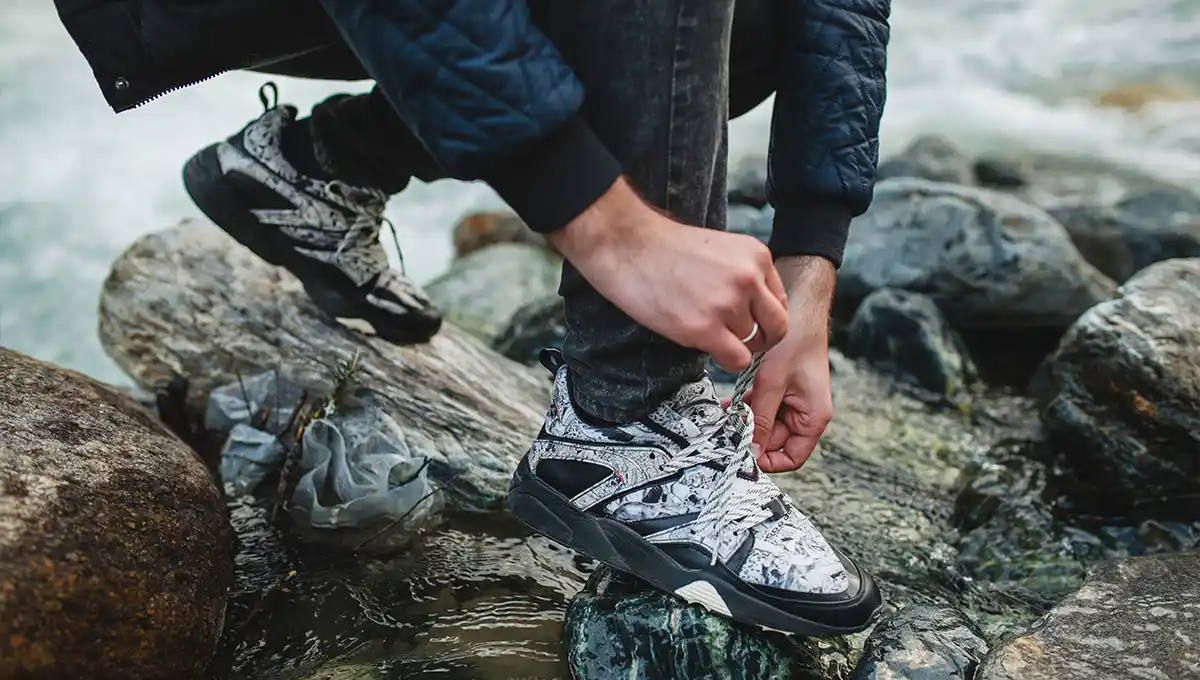
Best Water Shoes That Actually Perform Comfort, Grip, and Quick-Dry Protection
Planning a beach outing, a riverside walk, or a pool party sounds like fun until a slippery rock or a wet sneaker dampens your spirits. This is precisely why selecting the right water shoes can make such a massive difference.
Today’s water shoes are designed to dry quickly, offer traction on wet surfaces, and shield your feet without weighing you down.
Many outdoor enthusiasts browsing through the collection at Altitude Sports have been surprised at how advanced water shoes have become in terms of both looks and functionality.
Whether you are a swimming enthusiast, a light hiker, or a casual beach walker, the right pair of water shoes will give you the confidence boost with every step you take. In this article, you will learn what really matters before making a purchase and how to select water shoes that
What Are Water Shoes and Why Do You Need Them
Water shoes are lightweight, quick-drying shoes designed for wet conditions like beach, lake, pool, or river paths. Unlike normal sneakers, water shoes enable water to drain easily while providing grip on slippery surfaces.
The best water shoes will shield your feet from sharp shells, hot sand, and rough terrain without compromising comfort or size.
The significance of water shoes is their versatility. You can swim, walk, and even hike without having to change shoes all the time. Good water shoes should have mesh panels for ventilation, flexible soles, and anti-slip tread patterns.
For outdoor enthusiasts or individuals seeking better pool shoes, water shoes can prevent slipping and blisters. Rather than lugging around several pairs of shoes for different settings, a good pair of water shoes can handle multiple tasks with comfort.
How to Choose the Best Water Shoes
Selecting the best water shoes involves more than just brand names—it’s all about pairing the right features with your intended use. The following are the most important considerations that a seasoned buyer takes into account:
- Fit and Comfort - A snug fit will ensure that the shoe doesn’t slip inside when wet, but it should not be too tight. Elastic cuffs or adjustable straps will ensure stability. Testing the shoes with slightly wet feet will give a better idea of how they feel.
- Material and Drying Speed - Breathable mesh, neoprene, or quick-drying synthetic materials are the best options. These materials will ensure airflow and prevent the buildup of stinky bacteria. Drying quickly will also prevent skin irritation when wearing the shoes for an extended period of time.
- Outsole Grip - Grip is an essential feature. Rubber outsoles with textured designs work best on rocky, tile, or boat deck surfaces. Thin outsoles may be flexible but can be hazardous on rough surfaces.
- Drainage Design - Small drainage holes or channels assist in draining the water quickly. Without drainage, even the best-looking shoes will become heavy and uncomfortable to wear.
- Durability and Purpose - If you are going for light hiking or walking along rocky rivers, you should opt for shoes with strong toe caps and thick soles. For swimming or walking along the beach, lighter shoes will be adequate. Knowing your purpose will help you buy the right shoes and avoid overspending.
Categories to Consider Before Buying
Not all water shoes are designed for the same use. Knowing the types will give you a faster choice:
- Swimming Shoes: These are ultra-light and very flexible. They are best for swimming pools and calm beaches. They are designed for comfort and easy drying, not for rugged use.
- Waterproof Shoes: Though different from water shoes, waterproof shoes are still useful for rainy day commutes. They are designed to repel water from the outside, not to allow water to pass through.
- Waterproof Hiking Shoes: These are best for hiking and rough terrain. They provide ankle support, better traction, and thicker soles. They are heavier and more protective for long hikes.
- Waterproof Winter Boots: These are seasonal but very useful for wet snow and slushy surfaces. They have insulated interiors and water-resistant exteriors. They keep their feet warm and dry.
- Waterproof Shoes for Women: These are designed with ergonomic designs, lighter materials, and various styles. They are a combination of functionality and fashion. Many of these are also used as casual shoes, still water-resistant.
Water Shoes vs. Waterproof Shoes
One of the most common errors that consumers make is treating water shoes and waterproof shoes as the same thing. They are not. Water shoes are meant to be wet and dry quickly.
They are meant to allow water to enter and leave while still providing protection for your feet. Waterproof shoes, on the other hand, are designed to keep water out completely.
If you are swimming, kayaking, or walking along the shoreline, then water shoes are the better option. If you are commuting in the rain or walking through puddles but aren’t planning on getting your feet wet, then waterproof shoes are the better option.
Hiking boots and winter boots are examples of waterproof shoes because insulation is more important than drainage.
Care and Maintenance Tips
Taking good care of your water shoes will ensure that they serve you well and last for a long time.
- Rinse your water shoes after using them in saltwater or muddy environments to avoid damaging them.
- Dry your water shoes in the shade instead of leaving them in direct sunlight to avoid cracking.
- Clean your water shoes occasionally using mild soap to keep them odor-free.
- Store your water shoes in a well-ventilated area to keep them fresh and clean.
By taking these easy steps to maintain your water shoes, you will be able to enjoy using them for a long time while keeping them fresh and safe.
Conclusion
Locating the most suitable water shoes does not have to be a shot in the dark if one is aware of the aspects of fit, material, grip, and intended use.
The ideal pair of water shoes can handle swimming laps and light hiking excursions with ease, all while keeping your feet comfortable and protected. Surfing through reputable outdoor gear stores like Altitude Sports will give one an idea of just how varied and sophisticated modern water shoes have become.
It is essential to keep in mind that the purpose of water shoes is not merely to be water-resistant but to give one the confidence to take on the world with each step on wet terrain.
FAQ’s
- Do water shoes really work?
Yes, water shoes provide excellent grip, foot protection, quick drying, and comfort for beach, kayaking, hiking, and other water-based activities effectively.
- Do Crocs work as water shoes?
Yes, Crocs work well as casual water shoes offering drainage holes, slip resistance, and comfort, but lack support for intense water activities.
- What is the difference between water shoes and waterproof shoes?
Water shoes allow water in and dry quickly, while waterproof shoes repel water entirely, keeping feet dry in wet outdoor conditions.
- Should you size up or down in water shoes?
Generally size down half a size in water shoes, as most styles stretch when wet and fit more loosely during water activities.