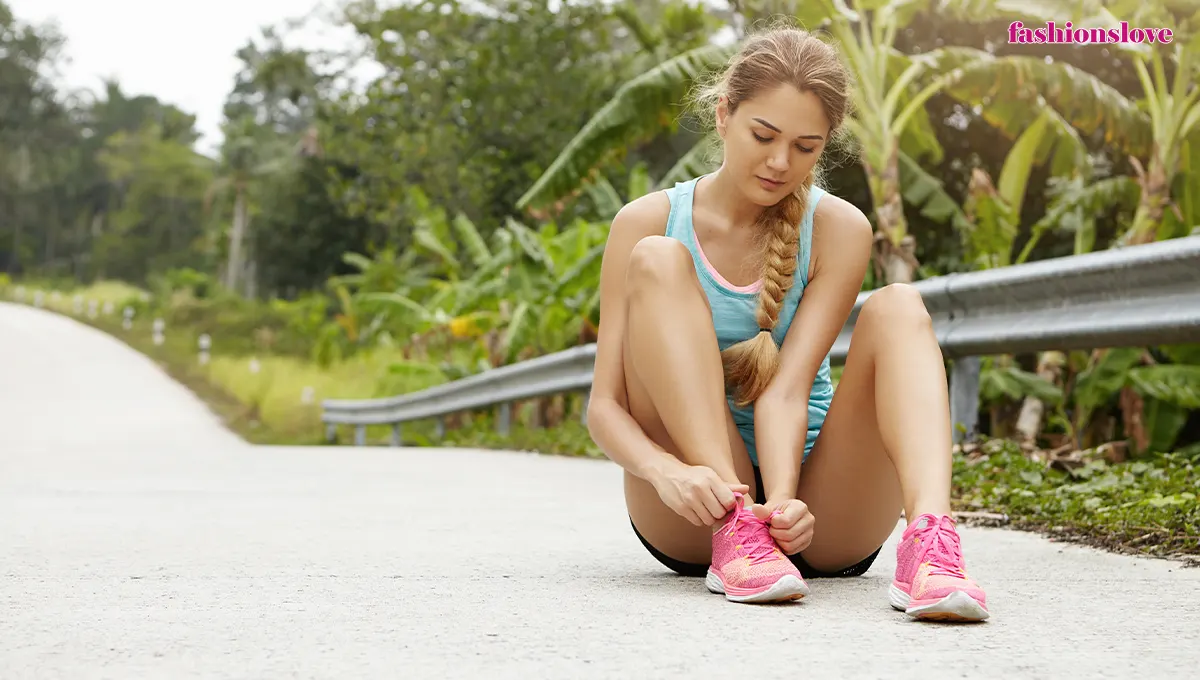
Best Running Shoes for Women: A Fit-First Buying Guide
Ever bought a pair of running shoes that felt great in the store and hurt three miles later? You're not alone. With dozens of brands, foam technologies and "best of" lists competing for your attention, it's easy to buy on hype and end up with the wrong shoe.
This guide skips the marketing language and focuses on what actually determines whether a shoe works for you: your foot type, your goals and fit, not the logo on the side.
Quick Overview
|
Key Takeaway |
Why It Matters |
|
Match shoes to your foot type |
Reduces injury risk and improves comfort |
|
Prioritize fit over brand reputation |
A well-fitted mid-tier shoe outperforms a poorly-fitted premium one |
|
Cushioning and midsole support matter |
Reduces joint stress over long distances |
|
Replace shoes on a mileage schedule, not a look schedule |
Worn cushioning fails before it looks worn |
|
Buy for your actual activity, not an aspirational one |
A daily trainer and a race shoe solve different problems |
What Actually Makes a Running Shoe Good
A well-designed running shoe balances four things:
- Cushioning that absorbs impact without feeling mushy or unstable
- Breathable upper materials that manage heat and moisture on longer runs
- A stable midsole and heel counter that keeps your foot from sliding around
- A durable outsole with traction suited to your usual running surface (road, treadmill, or trail)
According to the American Academy of Podiatric Sports Medicine, properly fitting footwear can help reduce common overuse injuries in runners and Runner's World has long emphasized that shoe fit, not brand or price, is the strongest predictor of comfort. Neither organization endorses a single "best" shoe for all runners and that's the right takeaway: your ideal shoe depends on your foot, not a ranking.
Step 1: Figure Out Your Foot Type
Your foot's natural motion (pronation) determines what kind of support helps you most.
- Neutral pronation: your foot rolls inward slightly and evenly. Most runners fall here, and a neutral cushioned shoe usually works well.
- Overpronation (common with flatter arches): your foot rolls inward more than average. Stability shoes with structured midsoles or medial posts can help control this.
- Underpronation / supination (common with high arches): your foot rolls outward, so impact isn't distributed evenly. Extra cushioning helps compensate.
- The wet-foot test: wet the sole of your foot, step onto a piece of paper or cardboard, and look at the print.
- A full, thick footprint with little to no arch curve suggests flatter feet and possible overpronation.
- A footprint with a very narrow band connecting heel and forefoot suggests a high arch.
- A moderate curve in between suggests a neutral foot.
This test is a useful starting point, not a diagnosis. If you have a history of running injuries, a gait analysis at a specialty running store or a visit to a podiatrist will give you a more precise answer.
Step 2: Match the Shoe to Your Actual Goal
Different running goals call for different shoe characteristics, not necessarily different brands.
- New to running: Look for a well-cushioned, neutral daily trainer with a wide, forgiving forefoot. This category is where most people should start regardless of brand.
- Daily training / general mileage: Prioritize durability and a balanced ride, a shoe you can comfortably run in several times a week without breaking down quickly.
- Long-distance or endurance runs: Higher-stack, higher-cushion shoes reduce cumulative fatigue, though they can feel less "responsive" than lighter trainers.
- Speed work or racing: Lighter shoes with a more aggressive, propulsive foam and less cushioning trade comfort for responsiveness, usually not ideal as an everyday shoe.
- Walking and running combined: A neutral daily trainer with moderate cushioning and a slightly firmer, more stable base tends to hold up better across mixed use than a max-cushion running-specific shoe.
Rather than naming "the best shoe” in each category, reviews and comfort preferences vary too much between individual runners for a single universal pick, try on two or three shoes that fit the category you need and compare them side by side.
Features That Matter More Than the Brand Name
When comparing shoes, look past the marketing copy and check:
- Heel-to-toe drop: the height difference between heel and forefoot (commonly 0–4mm for "low drop," 8–12mm for "traditional"). Lower drop shifts more load to your calves and Achilles; higher drop can feel more familiar if you're used to standard trainers.
- Toe box width: a narrow toe box is one of the most common causes of blisters and black toenails on longer runs.
- Midsole foam type: softer foams cushion more but can feel less stable; firmer or dual-density foams often feel more responsive and supportive.
- Outsole traction pattern: road shoes and trail shoes are not interchangeable; trail outsoles have deeper lugs for grip on uneven terrain.
- Weight: heavier shoes generally last longer and cushion more; lighter shoes feel faster but wear out sooner.
Trying on multiple pairs and running a few strides in-store (or during a store's return window) will tell you more than any spec sheet or "top 10" list.
Common Mistakes to Avoid
- Buying on style alone. A shoe that looks great but doesn't match your foot type will cause problems by mile five, not mile one.
- Sizing down out of habit. Running shoes typically fit a half-size larger than casual shoes to leave room for foot swelling; aim for roughly a thumb's width of space past your longest toe.
- Ignoring your foot type entirely. Skipping this step is the single most common reason runners end up with the wrong shoe.
- Wearing shoes well past their lifespan. Cushioning breaks down before it looks visibly worn.
- Chasing trends over comfort. A shoe that's popular online isn't automatically the right shoe for your gait.
When to Replace Your Running Shoes
Most running shoes lose meaningful cushioning and support after roughly 300–500 miles, though the exact number depends on your body weight, running surface and stride. Watch for:
- Visibly flattened or compressed midsole foam
- Uneven wear on one side of the outsole
- New aches in your knees, shins, or feet that weren't there before
- A "flatter" or less responsive feel compared to when the shoes were new
If you run regularly, tracking mileage in a running app is the most reliable way to know when it's time to replace your shoes; waiting until they "look" worn out usually means you've already been running in reduced support for weeks.
Bottom Line
The best running shoes for women aren't a fixed list of models; they're whichever shoes match your foot type, your training goals, and your actual fit, tried on and compared in person when possible. Focus on cushioning, stability, and toe box room before brand name, and replace your shoes on a mileage schedule rather than a visual one.
Frequently Asked Questions
1. What are the best running shoes for women?
There's no single best shoe, it depends on your foot type, pronation pattern, and intended use (daily training, long distance, or racing). The right approach is matching shoe category to your gait, then comparing a few models within that category.
2. How do I know if a running shoe fits correctly?
It should feel snug and secure around the heel with no slipping, while leaving roughly a thumb's width of space between your longest toe and the front of the shoe.
3. Are expensive running shoes worth it?
Not necessarily. Price often reflects foam technology and race-specific features rather than everyday comfort. A well-fitted mid-range shoe frequently outperforms an ill-fitted premium one.
4. Can I use running shoes for everyday wear?
Yes, most neutral daily trainers are comfortable enough for walking and daily wear, though race-specific shoes are generally less durable for non-running use.
5. How often should running shoes be replaced?
Roughly every 300–500 miles for most runners, sooner if you're heavier, run on rougher surfaces or start noticing new aches.
This article is intended for general informational purposes and isn't a substitute for a professional gait analysis or medical advice. If you have a history of running-related pain or injury, consult a podiatrist or sports medicine specialist.