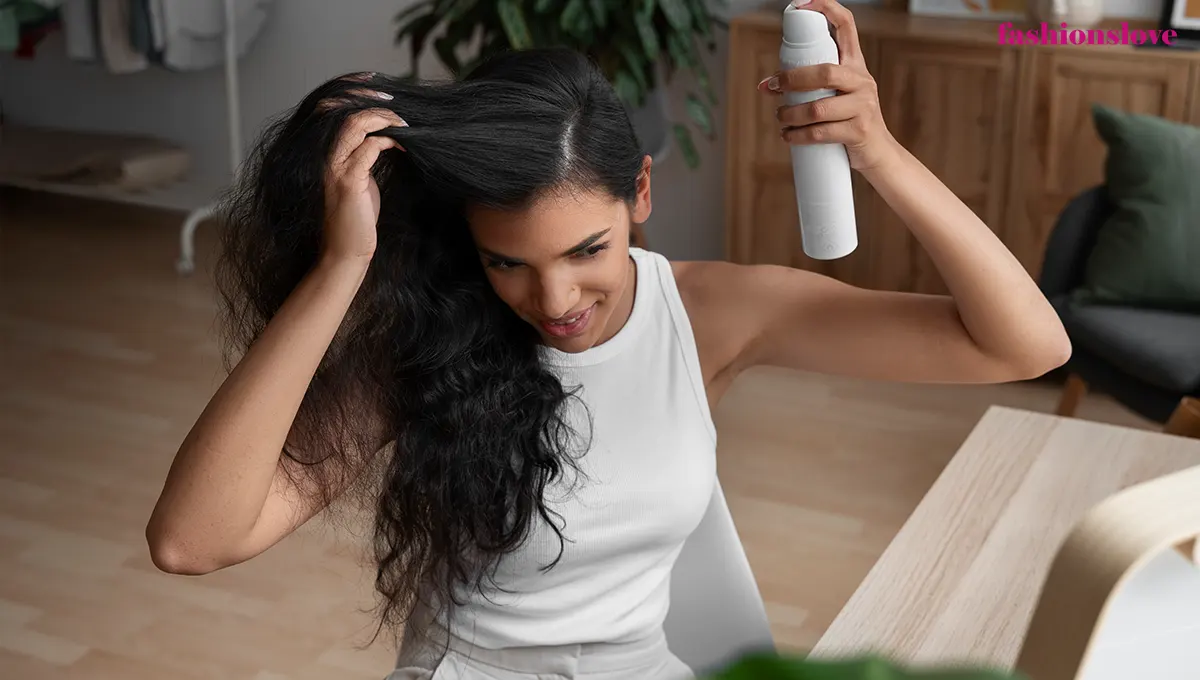
5 Scalp Care Products That Can Transform Hair in Just a Few Weeks
There's a quiet shift happening in UK haircare, and it's not about a new heat tool or a miracle oil. It's about the scalp.
Many haircare routines focus heavily on the ends while ignoring what is happening at the scalp. Yet the scalp is where hair actually starts. If it's clogged with product buildup, dry and flaky, or constantly overproducing oil, it's not exactly an ideal environment for hair to look its best. That's the logic behind the current wave of scalp serums, scrubs, and pre-wash treatments now sitting alongside shampoo and conditioner on UK bathroom shelves.
Before going further, a quick note on the title. "Transform hair in just a few weeks" is a common phrase in beauty marketing, and it's worth being upfront about what that realistically means. Scalp condition, hair type, genetics, styling habits, and general health all play a role in how hair looks and feels. A scalp product can support a healthier-looking scalp environment, but it can't guarantee a dramatic transformation for everyone, and it isn't a substitute for medical advice if something's genuinely wrong.
With that context in mind, here's a practical look at five scalp care products worth knowing about, and how to use them sensibly.
Why Scalp Care Has Become Central to Modern Haircare
A healthy-looking scalp is increasingly treated as the foundation of a good haircare routine, not an afterthought. That's largely because the scalp behaves like the rest of the skin on your body, it produces natural oils, sheds skin cells, and can become congested with product residue, sweat, and styling products over time.
When that buildup accumulates, hair can start to look flatter, feel heavier, or appear less voluminous at the root, even if the lengths themselves are in good condition. Addressing the scalp directly rather than just the visible hair. This is why scalp-specific products have become such a significant category within UK haircare.
It's a cosmetic, appearance-focused approach. Scalp care products are generally designed to support comfort, cleanliness, and the visual appearance of hair at the root. They are not medical treatments, and it's important to keep that distinction clear, particularly around anything marketed as a scalp treatment for hair growth.
Understanding What Your Scalp Actually Needs
The best scalp product depends on whether the main problem is dryness, oiliness, buildup, or something else. Reaching for a random trending product without identifying the actual issue is one of the most common reasons a new scalp routine doesn't feel like it's working.
A few common scalp concerns:
- Dryness – tightness, flaking, or an itchy feeling, often worsened by over-washing or harsh weather.
- Excess oil – hair that looks greasy at the roots within a day or two of washing.
- Product buildup – a combination of styling products, dry shampoo, and natural oils that accumulate and sit on the scalp.
- Sensitivity – redness, tightness, or discomfort, sometimes triggered by fragrance or overly active formulas.
Knowing which of these sounds most familiar makes it far easier to choose a product that actually addresses your scalp, rather than one chosen purely because it's trending.
5 Scalp Care Products Worth Considering
1. Scalp Exfoliating Scrub
A scalp scrub is a pre-shampoo treatment designed to physically or gently chemically lift away dead skin, oil, and product residue that's built up on the scalp. Formulas like the Christophe Robin Cleansing Purifying Scrub with Sea Salt use fine, dissolvable grains, while others rely on ingredients such as lactic acid for a softer, enzymatic approach.
Addresses: Product buildup, visible flaking, and a scalp that feels congested despite regular washing.
How it's used: Massaged into a wet or dry scalp before shampooing, then rinsed and followed by a normal wash.
Fits into the routine: As an occasional pre-wash step, generally once or twice a week rather than daily.
Who it suits: People who use a lot of styling products, dry shampoo, or oils, and notice a scalp that feels clogged rather than simply dry.
Considerations: Over-exfoliating can leave a sensitive scalp irritated instead of refreshed. Starting with once a week and adjusting from there is a sensible approach.
2. Clarifying Scalp-Focused Shampoo
Distinct from a standard everyday shampoo, a clarifying scalp shampoo is formulated to cleanse more thoroughly, targeting oil and residue that a regular formula might not fully remove.
Addresses: The "hair feels dirty again a day after washing" problem often associated with oily scalp care, as well as general buildup from styling products.
How it's used: In place of a normal shampoo, either every wash or periodically depending on the formula and how oily or product-heavy your routine tends to be.
Fits into the routine: As a reset step either a regular part of wash day for oilier scalps, or an occasional deep-clean for others.
Who it suits: Anyone with an oily scalp, or people who use multiple styling products regularly and notice their usual shampoo isn't quite keeping up.
Considerations: Clarifying formulas can be drying with overuse, particularly on colour-treated or already dry hair. A couple of times a week, rather than daily, is a common approach.
3. Hydrating Scalp Serum
A hydrating scalp serum is a lightweight, leave-in formula applied directly to the scalp to support moisture and comfort. Well its different from a hair serum, which is typically applied to the lengths and ends for shine or smoothing.
Addresses: Dryness, tightness, and general scalp discomfort, particularly for people whose scalp reacts to central heating, cold weather, or frequent washing.
How it's used: Applied directly to the scalp in sections and gently massaged in, left on rather than rinsed out.
Fits into the routine: As a daily or several-times-a-week step, depending on the specific formula's guidance.
Who it suits: Anyone managing ongoing dryness or sensitivity who wants a soothing, low-effort addition rather than an active-heavy treatment.
Considerations: Because it's a hydrating rather than exfoliating formula, it's a reasonable starting point for anyone new to scalp care who isn't yet sure whether their main issue is dryness or buildup.
4. Pre-Wash Scalp Oil or Treatment
A pre-wash treatment is applied to the scalp before shampooing and left on for a set period, giving active ingredients time to work before being washed out as part of the normal hair-wash step. Some combine oils with mild exfoliating acids; others lean more toward deep conditioning for the scalp itself.
Addresses: Deeper dryness or buildup that a quick in-shower step doesn't always resolve on its own.
How it's used: Applied to a dry or damp scalp, left for the time specified on the product (commonly five to twenty minutes), then shampooed out.
Fits into the routine: A weekly or occasional treatment step, rather than something used with every wash.
Who it suits: People with a persistently dry or flaky scalp who want a slightly more intensive option than a daily serum.
Considerations: Because these treatments sit on the scalp longer, patch-testing is worth doing first, especially for anyone with known sensitivities.
5. Caffeine or Actives-Based Scalp Serum
This category covers the scalp serums most often discussed in relation to a scalp treatment for hair growth in the UK. Formulas containing ingredients like caffeine, niacinamide, or peptides, designed to be applied directly to the scalp as part of a daily or near-daily routine.
Addresses: General scalp maintenance and support for a scalp environment that looks and feels healthier, which some people associate with hair appearing fuller at the root over time.
How it's used: Applied to the scalp, usually section by section, and left in rather than rinsed out. Check individual product instructions, as usage frequency varies by formula.
Fits into the routine: As an ongoing daily or regular step, since consistency tends to matter more than occasional use.
Who it suits: People wanting a straightforward, low-maintenance addition to an existing routine rather than an intensive occasional treatment.
Considerations: This is an important one to get right. These are cosmetic scalp products, not medically proven hair-loss treatments, and results — where noticed — generally relate to scalp comfort and the appearance of hair at the root rather than guaranteed regrowth. Anyone experiencing sudden, significant, or persistent hair loss should speak to a GP, dermatologist, or trichologist rather than relying on cosmetic products alone.
How to Build a Simple Scalp Care Routine
A scalp routine does not need to be complicated to be useful. In fact, adding too many products at once often makes it harder to tell what's actually helping.
A realistic way to start:
- Identify your main concern dryness, oiliness, buildup, or sensitivity before choosing a product.
- Start with one product that directly addresses that concern, rather than several at once.
- Give it several weeks before deciding whether it's working, since scalp changes tend to be gradual.
- Add a second step only if genuinely needed — for example, pairing an occasional exfoliating scrub with a daily hydrating serum.
- Pay attention to how your scalp responds. Increased redness, itching, or discomfort is a sign to scale back, not push through.
Consistency and choosing the right type of product usually matter more than constantly chasing the latest trend. Switching formulas every few weeks makes it genuinely difficult to know what's helping and what isn't.
Matching Products to Your Scalp Concern
- Dry scalp care: hydrating, fragrance-light formulas, used consistently, while avoiding over-washing or over-exfoliating.
- Oily scalp care: clarifying shampoos and lightweight serums, used more regularly than heavy, richly moisturising products.
- Scalp buildup: an occasional scrub or pre-wash treatment, paired with a periodic clarifying shampoo, rather than more daily products.
- Sensitivity: minimal-ingredient, fragrance-free formulas, introduced one at a time so any reaction is easy to identify.
When Cosmetic Scalp Care Isn't Enough
It's worth restating clearly: scalp serums, scrubs, and treatments are cosmetic products aimed at comfort and appearance. They are not a substitute for medical evaluation if something more serious is going on.
If you're noticing sudden or significant hair shedding, patchy hair loss, ongoing scalp pain, or a persistent rash-like condition, that's a situation for a GP, dermatologist, or qualified trichologist not an over-the-counter product. Cosmetic scalp care can be a genuinely useful part of a routine, but it isn't designed to diagnose or treat underlying medical conditions.
Exploring Scalp Care Products in the UK
For anyone building out a routine, it helps to compare formulas side by side rather than buying on impulse. LOOKFANTASTIC UK carries a range of scalp-focused haircare products from established brands, which makes it a reasonable place to start narrowing down what might suit your scalp type before committing to a full routine.
As with most beauty categories, availability and formulations can change, so it's always worth checking current product listings and full ingredient details directly before buying.
The Takeaway
A useful scalp care routine doesn't require five new products bought all at once. It requires identifying what your scalp actually needs, choosing one or two products that genuinely address that, and giving them time to become a consistent habit rather than a short-lived trend.
Scalp health won't transform every head of hair dramatically in a few weeks that's simply not a realistic claim for any cosmetic product. What a sensible scalp routine can offer is a more comfortable, better-maintained scalp environment, which for many people supports hair looking and feeling healthier at the root over time.
If you're just starting out, browsing a dedicated scalp care range is a low-pressure way to see what's available before deciding what fits your routine.
FAQ
What are the best scalp care products in the UK?
This depends on individual scalp needs. Common categories include exfoliating scrubs for buildup, clarifying shampoos for excess oil, hydrating serums for dryness, and pre-wash treatments for more intensive care. There isn't a single best product — the right choice depends on your specific scalp concern.
What is the best scalp serum?
A good scalp serum depends on what you're addressing. Hydrating serums suit dryness and sensitivity, while formulas with caffeine or other actives are often chosen by people wanting a daily maintenance step for general scalp health.
Can scalp treatments help with healthier-looking hair?
Cosmetic scalp treatments can support a cleaner, more comfortable scalp environment, which may contribute to hair appearing fuller or healthier at the root for some people. They are not guaranteed to produce visible results for everyone.
How often should I use a scalp treatment?
It varies by product type. Exfoliating scrubs and pre-wash treatments are typically used once or twice weekly, while lightweight scalp serums may be designed for daily or near-daily use. Always follow the specific product's instructions.
Should I exfoliate my scalp?
Scalp exfoliation can help with buildup and flaking, but it isn't essential for everyone and can irritate a sensitive scalp if overdone. Starting with once weekly and adjusting based on your scalp's response is a sensible approach.
Can scalp care help support hair growth?
Cosmetic scalp care products may support a healthier scalp environment, which some people associate with hair appearing fuller over time, but they are not medically proven hair-growth treatments and cannot treat underlying hair-loss conditions. Persistent or significant hair loss should be discussed with a healthcare professional.
Where can I buy scalp care products in the UK?
UK retailers such as LOOKFANTASTIC stock a range of scalp care products from established haircare brands, making it possible to compare formulas and ingredients before choosing what suits your scalp.