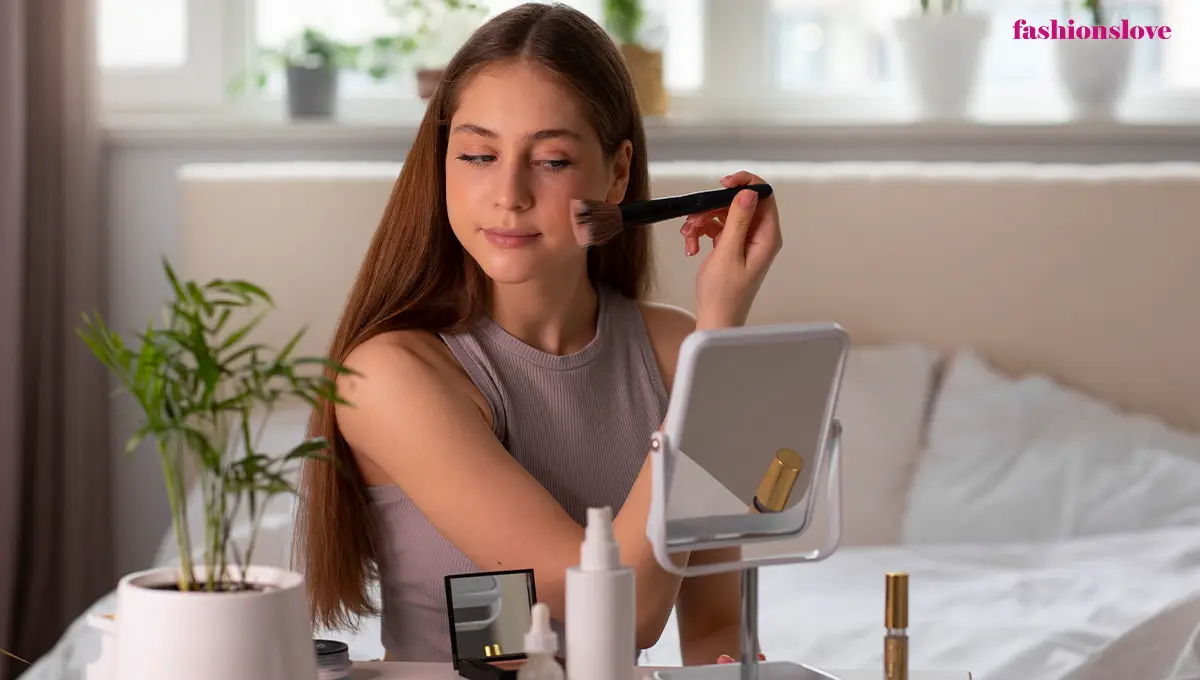
Makeup Tutorial for Beginners: A Simple Step-by-Step Routine for a Flawless Everyday Look
Introduction
Trying makeup for the first time can feel exciting, but the endless product choices and beauty trends often make it seem more complicated than it really is. The truth is that achieving a fresh, polished look starts with mastering a few simple techniques rather than buying dozens of products. This makeup tutorial for beginners walks you through an easy routine that builds confidence with every step. Whether you want a natural everyday appearance or a soft glam finish for special occasions, these practical tips will help you create beautiful results while keeping your makeup routine simple, enjoyable and easy to follow.
Quick Overview
|
Step |
What You'll Do |
Why It Matters |
|
1 |
Prep your skin |
Creates a smooth base for makeup. |
|
2 |
Apply foundation and concealer |
Evens skin tone naturally. |
|
3 |
Set your makeup |
Helps it stay fresh longer. |
|
4 |
Add blush bronzer and highlighter |
Gives warmth and dimension. |
|
5 |
Define your brows and eyes |
Enhances facial features. |
|
6 |
Finish with lips and setting spray |
Completes the look beautifully. |
Why Every Beginner Should Start with the Basics
Many people believe flawless makeup requires expensive products or professional skills. In reality, a simple routine produces better results because it focuses on blending, skin preparation and choosing products that suit your skin type.
A well-planned makeup tutorial for beginners helps you understand the purpose of each product instead of applying everything at once. As your confidence grows, you can gradually experiment with different colors, techniques and finishes without feeling overwhelmed.
Some of the biggest benefits of following a beginner-friendly routine include:
- Easier product selection
- Faster morning routine
- More natural-looking results
- Less product waste
- Better confidence while practicing
If you're interested in creating fresh seasonal looks after mastering the basics, check out Summer Makeup Looks for additional inspiration and color ideas.
Makeup Essentials Every Beginner Needs
One of the biggest mistakes beginners make is purchasing too many products before understanding what each one does. A small, carefully selected makeup kit is all you need to create countless everyday looks.
|
Product |
Purpose |
Beginner Tip |
|
Gentle Cleanser |
Cleans the skin |
Removes dirt and excess oil. |
|
Lightweight Moisturizer |
Hydrates the skin |
Prevents dry patches. |
|
Face Primer |
Smooths skin |
Helps makeup last longer. |
|
Foundation or Tinted Moisturizer |
Evens skin tone |
Choose a natural finish. |
|
Concealer |
Covers blemishes and dark circles |
Use one shade lighter for under eyes. |
|
Loose or Pressed Powder |
Sets makeup |
Apply lightly to avoid a cakey finish. |
|
Blush |
Adds healthy color |
Peach and soft pink suit most beginners. |
|
Bronzer |
Adds warmth |
Blend well around the forehead and cheeks. |
|
Highlighter |
Creates glow |
Less is more. |
|
Neutral Eyeshadow Palette |
Everyday eye makeup |
Browns and taupes are easiest to blend. |
|
Mascara |
Defines lashes |
Apply one to two coats. |
|
Brow Pencil or Brow Gel |
Shapes eyebrows |
Follow your natural brow shape. |
|
Lip Balm or Lipstick |
Completes the look |
Start with nude shades. |
|
Setting Spray |
Locks makeup in place |
Helps maintain freshness throughout the day. |
Affordable brands like Maybelline, L'Oréal Paris, e.l.f. Cosmetics, NYX Professional Makeup, Milani and Rare Beauty offer excellent beginner-friendly options with reliable quality and a wide range of shades.
Makeup Tutorial for Beginners
Step 1 – Prepare Your Skin
Every flawless makeup look starts long before foundation touches your face. Healthy, hydrated skin allows products to blend smoothly and last much longer throughout the day.
Cleanse Your Face
Wash your face using a gentle cleanser that matches your skin type. Removing excess oil, dirt and leftover skincare products creates a fresh canvas for makeup application.
Moisturize Properly
Hydration is essential, even if you have oily skin. A lightweight moisturizer prevents makeup from clinging to dry areas and creates a smoother finish.
Apply Sunscreen During the Day
Dermatologists, including experts from the American Academy of Dermatology, recommend wearing broad-spectrum sunscreen daily. Protecting your skin from UV exposure helps maintain an even complexion while reducing premature aging.
Use Primer
Primer is often overlooked in Makeup for Beginners, yet it makes a noticeable difference. It smooths skin texture, minimizes the appearance of pores and helps foundation stay in place for hours.
Different primers serve different purposes:
- Hydrating primer for dry skin
- Mattifying primer for oily skin
- Blurring primer for enlarged pores
- Illuminating primer for dull skin
Allow the primer to sit for about one minute before moving to the next step. This gives it enough time to create a smooth base.
Step 2 – Choose the Right Foundation
Foundation should enhance your skin rather than hide it. One of the easiest ways to achieve Beginner's Easy Makeup is by selecting lightweight formulas that blend effortlessly.
For beginners, these options work particularly well:
- Tinted moisturizer
- BB Cream
- Skin tint
- Lightweight liquid foundation
Instead of choosing a shade based on your hand, test foundation along your jawline. The correct shade should disappear naturally into both your face and neck.
When applying foundation:
- Start with a small amount.
- Place dots on your forehead, cheeks, nose and chin.
- Blend outward using a damp makeup sponge or foundation brush.
- Build coverage only where needed.
Using thin layers creates a much more natural finish than applying too much product at once.
Step 3 – Apply Concealer Like a Pro
One of the most important parts of any makeup tutorial for beginners is learning how to use concealer correctly. Many beginners apply too much product, which often settles into fine lines and creates a heavy appearance. Instead, use concealer only where you need extra coverage.
Where to Apply Concealer
-
Under the eyes to brighten dark circles
- Around the nose to reduce redness
- On blemishes or acne marks
- On pigmentation or uneven areas
- Around the mouth if needed
A concealer that is one shade lighter than your skin tone works well for brightening under the eyes. For blemishes, choose a shade that matches your foundation.
How to Blend
Use a damp beauty sponge or a small concealer brush and gently tap the product into the skin. Avoid rubbing because it removes coverage and creates streaks.
Step 4 – Set Your Makeup
Setting your makeup helps prevent creasing, controls shine and increases wear time.
Loose Powder vs Pressed Powder
|
Loose Powder |
Pressed Powder |
|
Best for oily skin |
Great for quick touch-ups |
|
Lightweight finish |
Easy to carry |
|
Better for long wear |
Convenient for beginners |
Apply powder lightly on:
- Under the eyes
- T-zone
- Chin
- Around the nose
Avoid applying powder all over your face if your skin is dry, as it can make makeup appear flat.
Step 5 – Add Natural Color with Blush, Bronzer and Highlighter
Once your base is complete, your face may look a little flat. This is where blush, bronzer and highlighter bring life back to your complexion.
Blush
Smile gently and apply blush to the apples of your cheeks before blending upward toward your temples.
Popular beginner-friendly shades include:
- Soft pink
- Peach
- Warm coral
- Nude rose
Cream blushes are especially forgiving because they blend easily and create a natural finish.
Bronzer
Bronzer adds warmth rather than changing your skin tone.
Apply it lightly around:
- Hairline
- Temples
- Under cheekbones
- Jawline
Blend thoroughly so there are no harsh lines.
Highlighter
Highlighter creates a healthy glow when used sparingly.
Apply a small amount to:
- Tops of cheekbones
- Bridge of the nose
- Brow bone
- Cupid's bow
A subtle glow always looks more elegant than an overly glittery finish.
Step 6 – Shape Your Brows Naturally
Well-shaped eyebrows frame your face and make a noticeable difference, even with minimal makeup.
For everyday makeup for beginners, keep your brows looking soft and natural.
Brow Routine
-
Brush brows upward using a spoolie.
- Fill sparse areas with light strokes.
- Follow your natural brow shape.
- Blend with the spoolie.
- Finish with clear or tinted brow gel.
Avoid creating very dark or sharply defined brows until you're more comfortable with application techniques.
Step 7 – Eye Makeup Made Simple
Many beginners think eye makeup is the hardest part, but a neutral look is surprisingly easy.
Eyeshadow
A neutral eyeshadow palette offers endless versatility.
Apply shades in this order:
|
Area |
Shade |
|
Entire eyelid |
Light beige |
|
Crease |
Soft brown |
|
Outer corner |
Medium brown |
|
Inner corner |
Champagne shimmer |
Blend each color well to create smooth transitions.
Eyeliner
If you're nervous about eyeliner, start with a brown pencil instead of liquid liner.
Brown eyeliner creates a softer appearance and is easier to correct.
Apply a thin line close to your upper lashes.
Mascara
Mascara instantly makes your eyes appear larger and more awake.
For the best results:
- Curl lashes first if desired.
- Wiggle the mascara wand at the roots.
- Pull upward toward the tips.
- Apply one to two coats.
- Remove clumps with a clean spoolie.
Waterproof mascara is excellent for long days, while washable formulas are easier for beginners to remove.
Step 8 – Finish with Lips
Lips complete every makeup look.
If you're following How to Apply Makeup for Beginners, nude lipstick or tinted lip balm is the safest place to start.
Popular everyday shades include:
- Nude pink
- Peach beige
- Rose
- Mauve
- Soft brown
Easy Lip Routine
-
Exfoliate dry lips if needed.
- Apply lip balm.
- Outline lightly with a matching lip liner.
- Fill in using lipstick or gloss.
- Blot gently with tissue for longer wear.
Gloss can also be applied in the center of the lips to create the illusion of fuller lips.
Step 9 – Lock Everything in Place
The final step in this makeup tutorial for beginners is setting spray.
Hold the bottle about 8 to 10 inches away from your face and spray in an "X" followed by a "T" motion.
Benefits include:
- Longer-lasting makeup
- Reduced powdery appearance
- Natural skin-like finish
- Better makeup longevity
- Fresher appearance throughout the day
Allow the spray to dry naturally without touching your face.
Everyday Makeup Routine in Under 10 Minutes
Once you've practiced the basics, you can complete your Beginner's Easy Makeup routine in just a few minutes.
|
Time |
Step |
|
1 minute |
Cleanse and moisturize |
|
1 minute |
Primer |
|
2 minutes |
Foundation and concealer |
|
1 minute |
Powder |
|
2 minutes |
Brows and mascara |
|
2 minutes |
Blush, bronzer and lips |
|
1 minute |
Setting spray |
This streamlined routine is perfect for work, school, casual outings or virtual meetings while still looking polished and natural.
Common Makeup Mistakes Beginners Should Avoid
Even the best makeup tutorial for beginners cannot replace practice. Everyone makes mistakes while learning, but avoiding these common ones will help you achieve a smoother and more polished look.
|
Mistake |
Better Approach |
|
Choosing the wrong foundation shade |
Match it to your jawline in natural light. |
|
Applying too much foundation |
Build coverage gradually using thin layers. |
|
Skipping skincare |
Always cleanse, moisturize and prep your skin first. |
|
Using too much powder |
Apply only where needed to keep skin looking fresh. |
|
Not blending properly |
Blend foundation, blush and eyeshadow until there are no harsh edges. |
|
Ignoring eyebrows |
Well-groomed brows make the entire face look more polished. |
|
Sleeping with makeup on |
Remove makeup every night to support healthy skin. |
Remember, makeup should enhance your natural beauty rather than completely change your appearance.
How to Choose Makeup Based on Your Skin Type
Knowing your skin type helps you select products that perform better and last longer.
|
Skin Type |
Recommended Products |
|
Oily Skin |
Oil-free foundation, mattifying primer, loose powder |
|
Dry Skin |
Hydrating primer, cream blush, dewy foundation |
|
Combination Skin |
Lightweight liquid foundation and targeted powder application |
|
Sensitive Skin |
Fragrance-free, dermatologist-tested products |
|
Normal Skin |
Most formulas work well depending on your preferred finish |
Choosing products that suit your skin type makes everyday makeup for beginners much easier and improves the overall finish.
Makeup Brushes Every Beginner Should Own
You don't need dozens of brushes to create beautiful makeup. Start with a few essentials and expand your collection as your skills improve.
|
Brush |
Purpose |
|
Foundation Brush or Beauty Sponge |
Blends foundation evenly |
|
Concealer Brush |
Covers small imperfections |
|
Powder Brush |
Sets makeup lightly |
|
Blush Brush |
Applies blush naturally |
|
Angled Brush |
Shapes eyebrows |
|
Eyeshadow Blending Brush |
Softens eye makeup |
|
Flat Eyeshadow Brush |
Packs color onto the eyelid |
Wash your brushes regularly using a gentle brush cleanser or mild soap. Clean tools reduce bacteria buildup and help makeup apply more evenly.
Simple Everyday Makeup Routine for Beginners
If you're short on time, this quick routine delivers a fresh, polished appearance in under ten minutes.
- Cleanse and moisturize your skin.
- Apply primer.
- Use a lightweight foundation or skin tint.
- Conceal dark circles and blemishes.
- Lightly set your T-zone with powder.
- Apply blush for a healthy glow.
- Fill in your brows naturally.
- Sweep on neutral eyeshadow.
- Apply one coat of mascara.
- Finish with nude lipstick and setting spray.
This Makeup for Beginners routine works well for school, work, brunch or casual outings without feeling heavy.
Pro Tips from Makeup Experts
Professional makeup artists agree that technique matters more than the number of products you own. Keep these expert-backed tips in mind:
- Prep your skin before every makeup application.
- Blend in natural light whenever possible.
- Start with less product and build coverage only where needed.
- Replace mascara every three months for hygiene.
- Clean makeup brushes weekly to help prevent breakouts.
- Choose products that match your skin type instead of following every trend.
- Practice one technique at a time until it feels comfortable.
Industry professionals such as Bobbi Brown, Lisa Eldridge, and Charlotte Tilbury consistently emphasize that great makeup starts with healthy skin, proper blending, and enhancing your natural features rather than masking them.
Frequently Asked Questions
How long does it take to learn makeup?
Most beginners become comfortable with a simple routine after a few weeks of regular practice. Consistency is more important than speed.
What makeup should beginners buy first?
Start with a cleanser, moisturizer, primer, foundation or skin tint, concealer, powder, blush, mascara, brow pencil, lipstick and setting spray. These essentials are enough to create a complete everyday look.
Is primer necessary?
While it isn't mandatory, primer helps smooth the skin, minimizes the appearance of pores and extends the wear of your makeup, making it especially helpful for beginners.
Should beginners use liquid or powder foundation?
Liquid foundations and skin tints are generally easier to blend and provide a more natural finish, making them a better choice for those just starting out.
How often should makeup brushes be cleaned?
Aim to clean brushes used for liquid or cream products once a week. Brushes used for powder products can typically be cleaned every one to two weeks.
Can beginners wear bold makeup?
Absolutely. Once you're comfortable with the basics, you can gradually experiment with colorful eyeshadows, bold lip colors and more advanced techniques while maintaining good blending and balance.
Conclusion
Building confidence with makeup doesn't happen overnight, but every practice session brings noticeable improvement. By following this makeup tutorial for beginners, choosing the right products, and focusing on simple techniques, you can create fresh, natural looks that suit any occasion. Remember that healthy skin, proper preparation, and careful blending are the foundation of beautiful makeup. As your skills grow, you'll find it easier to experiment with new styles and trends while maintaining a polished finish. Keep practicing, update your beauty essentials when needed, and enjoy the process of creating looks that make you feel confident every day.